Most Electrical Work in Ontario Requires a Permit
The Ontario Electrical Safety Authority (ESA) administers electrical safety under the Electricity Act, 1998. Their system uses the term notification of work - what most homeowners call an electrical permit.
The clearest way to think about it: if the work involves anything behind your walls, inside your panel, or connected to your home's permanent wiring, it needs a permit. If it only involves swapping surface-level components on an existing compliant circuit, it probably does not.
The permit process triggers an inspection by an ESA-licensed inspector who verifies the work meets the Ontario Electrical Safety Code before walls are closed or power is restored.
One critical distinction before going further: a permit and a licence are two different things. Your electrician's ESA licence is their ongoing qualification to perform electrical work. A permit is project-specific - it covers the work at your address. An electrician having a licence does NOT mean they automatically filed a permit for your job. These are two completely separate things. Always confirm your contractor has applied for the permit before work begins.
Electrical Work That Requires a Permit in Ontario
Here is the definitive list of work that requires an ESA notification in Ontario.
Any new electrical wiring. Whether it is a new circuit, extending an existing circuit, or adding outlets - if new permanent wiring is being installed, a permit is required.
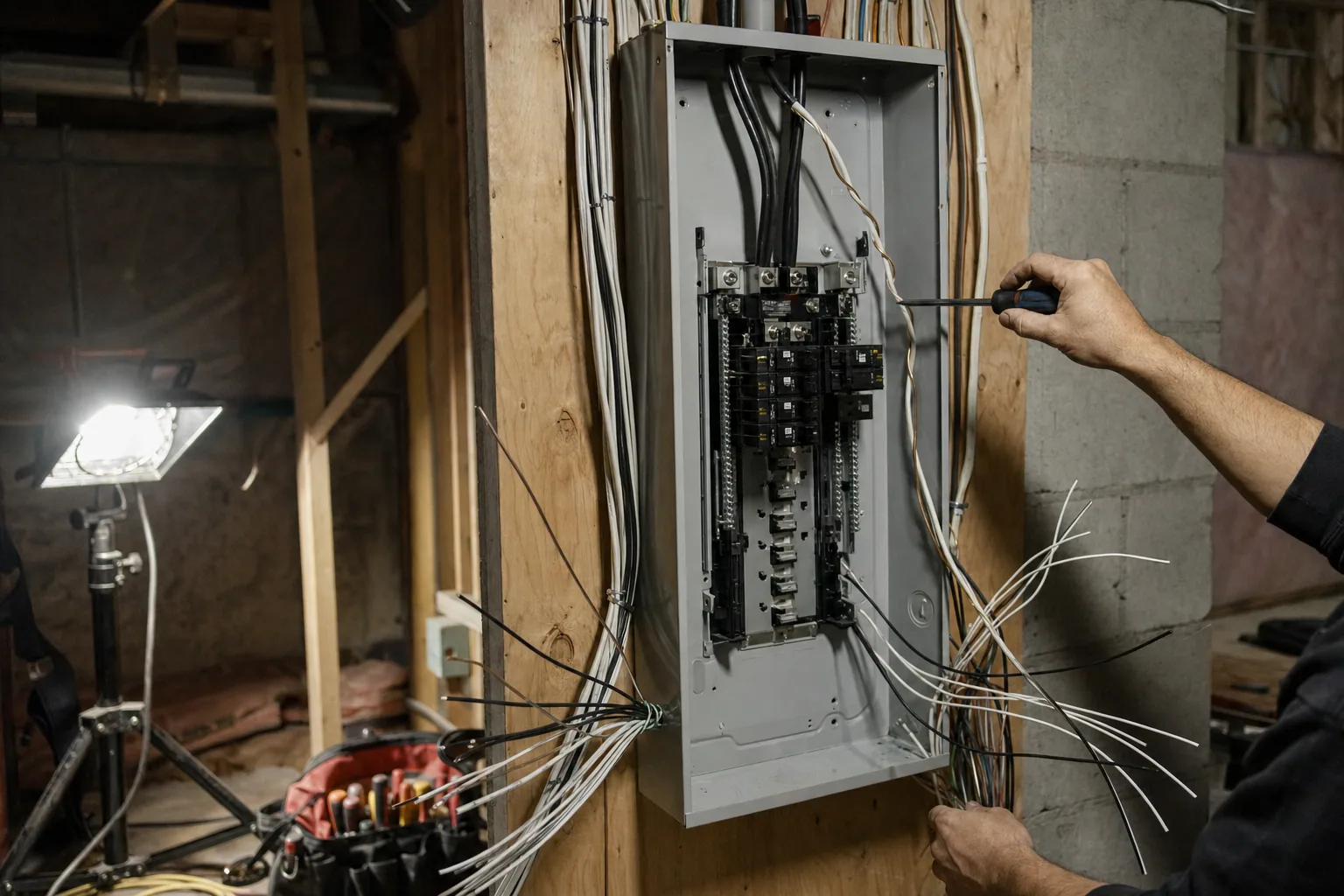
Electrical panel upgrades. Any work inside your electrical panel - replacing it, upgrading the amperage, adding circuit breakers - requires a permit. The utility disconnects your power for panel upgrades, and it cannot be restored until the ESA inspection passes.
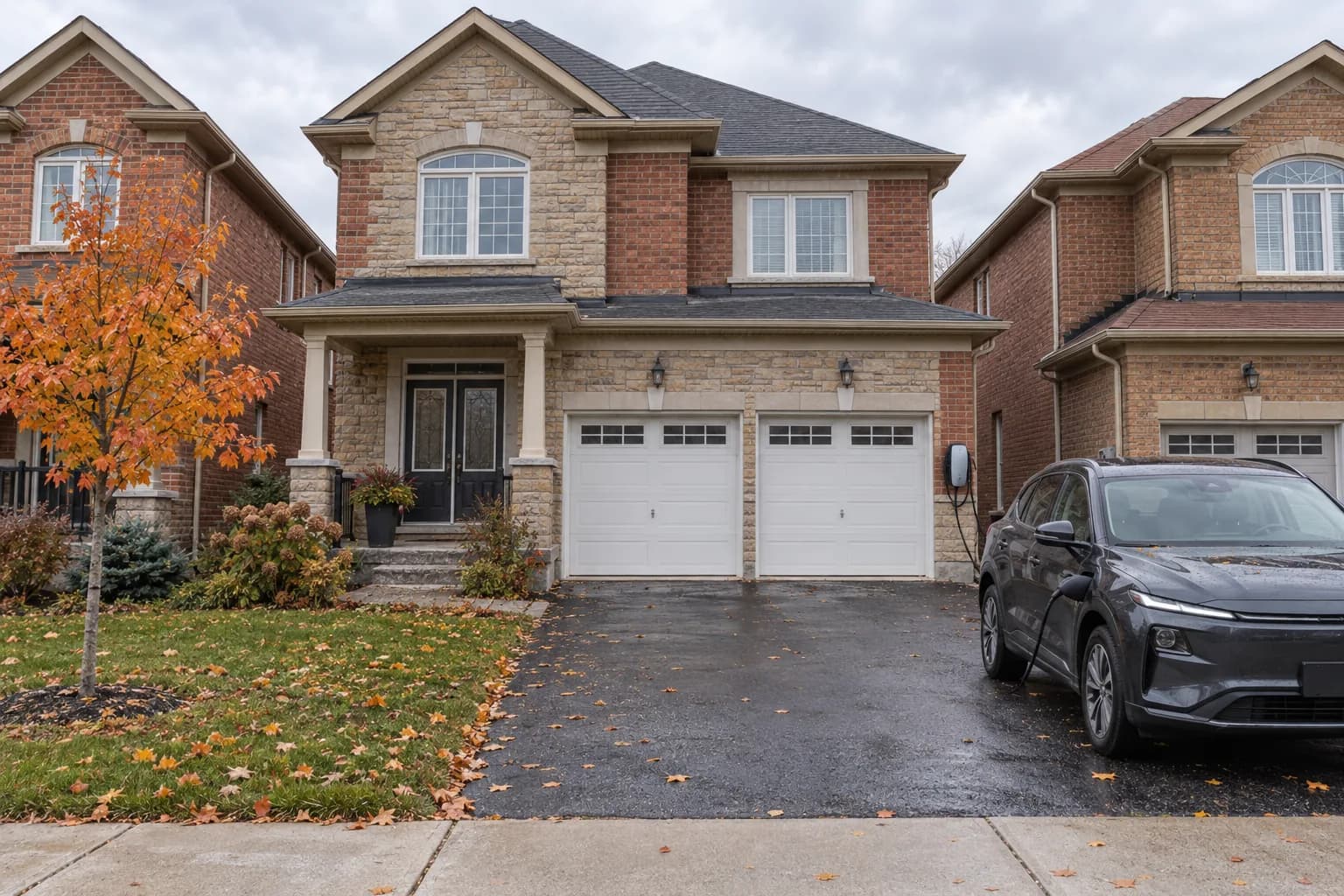
EV charger installation. A Level 2 EV charger runs on a dedicated 240V circuit. This counts as new electrical wiring and requires a permit.
Subpanel installation. Adding a secondary panel for a garage, basement suite, workshop, or detached structure requires a permit.
Outdoor wiring. Running power to a shed, adding outdoor outlets, or installing landscape lighting on a new circuit all require permits.
Hot tub, pool, and sauna wiring. All require permits without exception.
Basement finishing electrical work. Adding outlets, circuits, and lighting during a basement renovation requires a permit. The rough-in inspection must happen before walls are closed.
Dedicated appliance circuits. New circuits for ranges, dryers, dishwashers, and similar high-draw appliances require permits when the circuit is new.
When in doubt, the ESA guidance is simple: call them at 1-877-372-7233 or visit esasafe.com.
Electrical Work That Does NOT Require a Permit
Not all electrical work requires a permit. Here is what Ontario homeowners can do - or have done - without filing a notification.
Like-for-like device replacement on an existing compliant circuit. Replacing a switch, outlet, or light fixture in the same location on the same circuit, with no new wiring, does not require a permit.
Installing a ceiling fan where a light fixture already exists. If the junction box is fan-rated and you are using the existing wiring with no new circuit, this is generally considered a swap.
Replacing an outlet cover plate. This is cosmetic with no wiring involved.
Resetting a tripped breaker. That is normal panel operation, not electrical work.
The list is short. The moment you add new wiring, extend a circuit, or work inside the panel, you are in permit territory. And under the Ontario Electricity Act, only a Licensed Electrical Contractor can legally be hired to perform any of that work on your home.
How Much Does an ESA Permit Cost in Ontario?
ESA permit fees in Ontario are set under Ontario Regulation 89/06 and are based on the scope and type of work - not a single flat rate.
For most residential projects, here is what you can expect. Simple device additions such as one or two new outlets or a dedicated circuit: $90 to $150. Panel upgrades: $200 to $450 depending on service size and scope. Major renovations with multiple circuits: $300 to $500 or more.
The ESA describes their fees as quick and affordable to obtain. Relative to the total cost of most electrical projects, the permit fee is a small fraction of the bill.
Your licensed electrician handles the permit application before starting work. The permit is tied to the specific scope of work and the property address. At Superior Power Electric, the permit fee is included in every project quote. There are no surprise charges.
After the work is complete, the ESA schedules an inspection. Once the work passes, you receive an ESA Certificate of Acceptance.
What Happens If You Skip the Permit?
The consequences of unpermitted electrical work in Ontario are serious and they stack.
Your home insurance is voided for related claims. If a fire originates from unpermitted electrical work, your insurance company can deny the claim entirely. They send an investigator. If the fire started from uninspected work, you are on your own - regardless of whether you or a previous owner did it.
ESA fines. The Electrical Safety Authority can issue fines up to $50,000 for individuals and $100,000 for corporations performing unlicensed electrical work. They investigate complaints and can inspect properties.
Home sale complications. When you sell, the buyer's home inspector will check for evidence of unpermitted work. Missing permits and amateur wiring are red flags that kill deals or force costly renegotiations. Buyers are increasingly asking for ESA Certificates of Acceptance on renovated homes. If you cannot produce them, you are in a difficult position with the buyer's lawyer.
Future permit complications. If you later need permitted work on the same circuits or areas, an inspector may flag the unpermitted work and require it to be brought to code before approving anything new.
The Electricity Act also gives the ESA authority to order the removal and replacement of unpermitted electrical work at the property owner's expense.
The Certificate of Acceptance: Why It Matters for Insurance and Home Sales
The Certificate of Acceptance (CoA) is the document you receive from the ESA after your electrical work passes inspection. It is the proof that the work was done legally and meets the Ontario Electrical Safety Code.
The CoA matters in three specific ways.
For insurance: your insurer may ask for it after a panel upgrade, knob and tube replacement, or rewiring project. The CoA is what allows them to update your policy and, in many cases, lower your premium.
For home sales: buyers and their lawyers are increasingly asking for CoAs on renovated homes. A missing CoA on a panel upgrade or basement renovation is a negotiation point - and not in your favour. Having the CoA documented closes that discussion before it starts.
For peace of mind: the ESA inspector is a third party with no interest in rubber-stamping the work. If they pass it, the work meets code.
If your contractor filed the permit, ask them for a copy of the CoA when the job is complete. Keep it with your home documents. If you cannot locate a CoA for previous electrical work, call the ESA at 1-877-ESA-SAFE - they can search their records by property address.
At Superior Power Electric, we handle the entire permit process on every job. We apply for the permit, schedule the inspection, and send you the CoA when the work passes. Call (647) 872-9954 to book your assessment. ESA License #7014710. Serving Brampton, Mississauga, Vaughan, Caledon, Georgetown, and Oakville.
Call (647) 872-9954 to [book your assessment](/booking).
Common questions
Frequently asked
Do I need a permit to replace an electrical outlet in Ontario?
Replacing an outlet in the same location on an existing compliant circuit does not require a permit. Adding a new outlet or moving one to a different location does require a permit because new wiring is involved.
Can a homeowner do their own electrical work in Ontario?
Homeowners can perform minor like-for-like replacements on existing circuits without a permit. However, any work requiring new wiring must be done by an ESA-licensed electrician. Most homeowners find it simpler and safer to hire a licensed electrician for anything beyond basic device swaps.
What is the difference between an ESA licence and an electrical permit?
An ESA licence is your electrician's ongoing qualification to perform electrical work. A permit (notification of work) is project-specific - it covers work at your specific address. Having a licensed electrician does not automatically mean a permit was filed. Always confirm your contractor applied for the permit before work begins.
How do I find out if electrical work in my house was permitted?
Call the ESA at 1-877-ESA-SAFE or contact them through esasafe.com. They can search their records by property address and confirm whether an ESA Certificate of Acceptance was issued for previous work at the property.
What happens if I bought a home with unpermitted electrical work?
As the new owner, you inherit the liability. Unpermitted work may affect your insurance coverage, and you may need to have an ESA-licensed electrician assess and potentially redo the work before it can be properly permitted and inspected. This is worth investigating before finalizing any purchase where DIY electrical work is visible.
Shaun Pennant
Master Electrician, ESA/ECRA #7014710
Licensed master electrician with 15+ years serving Brampton and the Greater Toronto Area. Founded Superior Power Electric in 2020.