The Basic Rule: 1 Pot Light Per 25 Square Feet
The simplest starting point is the 25-square-foot rule. For every 25 square feet of ceiling space, plan for one pot light. A 100-square-foot kitchen gets 4 lights. A 200-square-foot living room gets 8.
But this is a starting point, not a hard rule. The actual number depends on ceiling height, wall colour, how much natural light the room gets, and what you are using the room for. A bright white kitchen with big windows needs fewer lights than a dark-walled basement with no natural light.
At Superior Power Electric, we plan every pot light layout with the homeowner before cutting a single hole. We mark the ceiling, you step back and look, and we adjust until it is right. That 10 minutes of planning prevents regret after the drywall dust settles.
Room-by-Room Breakdown
Here is what we typically recommend for homes in Brampton and across the GTA.
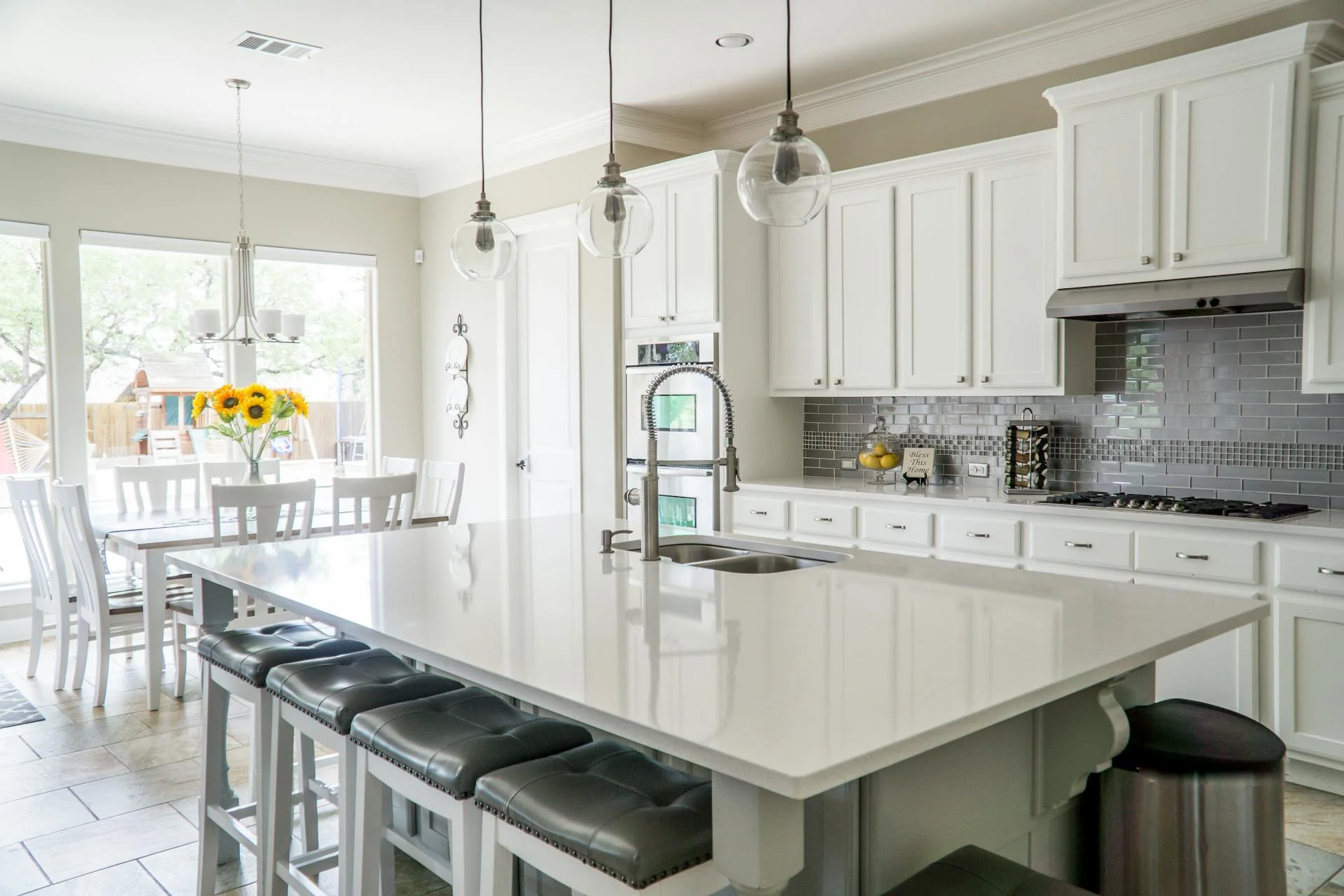
Kitchen (100 to 150 sq ft): 6 to 10 lights. The kitchen is the most important room to light well. You want even coverage across countertops, the island, and the sink area. Under-cabinet lighting handles task lighting, but pot lights provide the ambient base. For kitchens with islands, we usually place 2 to 3 lights directly over the island in addition to the perimeter lights.
Living Room (200 to 300 sq ft): 4 to 8 lights. Living rooms are flexible. Many homeowners prefer fewer pot lights on a dimmer so they can set the mood. If you have a fireplace or accent wall, consider positioning lights to highlight it.
Bathroom (40 to 80 sq ft): 2 to 4 lights. One or two lights over the vanity area and one or two for the shower or tub zone. Bathroom pot lights above showers must be wet-rated - we only install fixtures rated for wet locations in these spots.
Basement (400 to 800 sq ft): 8 to 16 lights. Basements are where pot lights make the biggest difference. Low ceilings and no windows mean you need more light sources spread evenly. For an open-concept finished basement, plan for a light every 4 to 5 feet in a grid pattern.
Hallway: 2 to 4 lights depending on length. One light every 4 to 5 linear feet. Hallways are simple - even spacing down the centre of the ceiling.
Bedroom (120 to 180 sq ft): 4 to 6 lights. Bedrooms benefit from dimmable pot lights. Full brightness for getting dressed, low for winding down. Skip placing a light directly over the bed - it is uncomfortable when you are lying down.
Spacing Guidelines That Actually Work
Proper spacing is more important than the total number of lights. Bad spacing creates hot spots and dark patches that no amount of additional lights can fix.
The standard spacing rule: place pot lights half the ceiling height apart from each other. For an 8-foot ceiling, that means 4 feet between lights. For a 9-foot ceiling, 4.5 feet.
Wall offset: keep lights 2 to 3 feet away from walls. Lights placed too close to the wall create a "wall wash" effect that highlights every imperfection in the drywall. Lights placed too far from the wall leave dark edges around the room.
Grid vs perimeter layout: for most rooms, a grid pattern (evenly spaced rows and columns) provides the most consistent light. For rooms with specific focal points - a kitchen island, a fireplace, or a dining table - a perimeter layout with targeted accent positioning works better.
The bottom line: symmetry matters more than exact measurements. Your eye notices when lights are slightly off-centre or unevenly spaced. We use a laser level to mark every position before drilling.
For an 8-foot ceiling, that means 4 feet between lights.
4-Inch vs 6-Inch Pot Lights: Which Size Should You Use?
This is one of the first questions homeowners ask, and it matters more than you might think.
4-inch pot lights produce a narrower, more focused beam. They look cleaner in smaller rooms, hallways, and bathrooms. They are also the better choice for accent lighting when you want to highlight a specific feature like artwork or a bookshelf.
6-inch pot lights produce a wider, more diffused beam. They cover more area per light, which means you can sometimes use fewer of them. They are the standard choice for kitchens, living rooms, basements, and any room where you want broad, even illumination.
Our recommendation for most homes: 6-inch in kitchens, living rooms, and basements. 4-inch in bathrooms, hallways, and as accent lights. Mixing sizes in the same room rarely looks good - pick one size per room and stick with it.
Both sizes are available in slim profile (wafer) style that mounts flush with the ceiling. These are our go-to for finished ceilings because they do not require a recessed housing - the entire fixture sits above the drywall with only the trim ring visible below.
Dimmer Switches: Do Not Skip This Step
Every pot light installation should include dimmer switches. No exceptions.
A dimmer adds $80 to $150 per switch to the project cost, but it completely changes how you experience the room. Full brightness for cooking or cleaning. Fifty percent for everyday living. Twenty percent for movie night or a late evening.
Dimmers also extend the lifespan of your LED pot lights by reducing the electrical load. And they cut your energy bill further on top of the savings you already get from LED.
One important note: make sure your dimmer is LED-compatible. Older dimmers designed for incandescent bulbs will cause LED pot lights to flicker, buzz, or not dim smoothly. We install Lutron or Leviton LED dimmers on every job - they are the most reliable options on the market.
Common Pot Light Mistakes (and How to Avoid Them)
After installing thousands of pot lights across the GTA, here are the mistakes we see most often - usually from DIY attempts or inexperienced installers.
Too many lights. More is not always better. A ceiling packed with pot lights looks like a commercial office, not a home. Follow the spacing guidelines and resist the urge to add extras "just in case."
Too few lights. The opposite problem. Homeowners trying to save money install 4 lights in a basement that needs 12. The result is dark corners and uneven coverage that makes the space feel smaller.
Wrong colour temperature. Mixing warm white (2700K-3000K) and cool white (4000K-5000K) lights in the same room looks terrible. Pick one temperature for the entire room. We recommend 3000K for living spaces and 4000K for kitchens and bathrooms.
No dimmer switch. We already covered this, but it is worth repeating. Installing pot lights without a dimmer is like buying a car without adjustable seats.
Ignoring existing light sources. If you have a chandelier over the dining table or pendants over the kitchen island, the pot light layout needs to account for those. We design the layout around your existing fixtures so everything works together.
Ready to plan your pot light layout? Call Superior Power Electric at (647) 872-9954 or book your $49 assessment online. We will walk through every room, recommend the right number and placement, and give you a written quote on the spot. Serving Brampton, Mississauga, Vaughan, Caledon, Georgetown, and Oakville.
Homeowners trying to save money install 4 lights in a basement that needs 12.
Common questions
Frequently asked
How many pot lights do I need in a kitchen?
A standard kitchen (100 to 150 square feet) typically needs 6 to 10 pot lights. Place lights over the countertops, sink, and island for even coverage. Use 6-inch LED fixtures on a dimmer switch for the best combination of brightness and ambiance.
What is the proper spacing for pot lights?
The general rule is to space pot lights half the ceiling height apart. For a standard 8-foot ceiling, that means 4 feet between each light. Keep lights 2 to 3 feet away from walls to avoid washing the wall with light.
Should I use 4-inch or 6-inch pot lights?
Use 6-inch pot lights in kitchens, living rooms, and basements where you want broad, even light. Use 4-inch in bathrooms, hallways, and for accent lighting. Do not mix sizes in the same room.
How much does it cost to install pot lights in Ontario?
Pot light installation in Ontario costs $150 to $250 per light including the LED fixture and labour. A 6-light kitchen installation runs $900 to $1,500. A full home package of 12 to 20 lights ranges from $1,800 to $4,500.
Can I install pot lights in my basement ceiling?
Yes. Basements are one of the best places for pot lights because they typically lack natural light. Plan for 8 to 16 lights depending on the size of the space. If the ceiling is unfinished, installation is easier and less expensive than in finished ceilings.
Shaun Pennant
Master Electrician, ESA/ECRA #7014710
Licensed master electrician with 15+ years serving Brampton and the Greater Toronto Area. Founded Superior Power Electric in 2020.