Sign 1: Breakers Trip Frequently
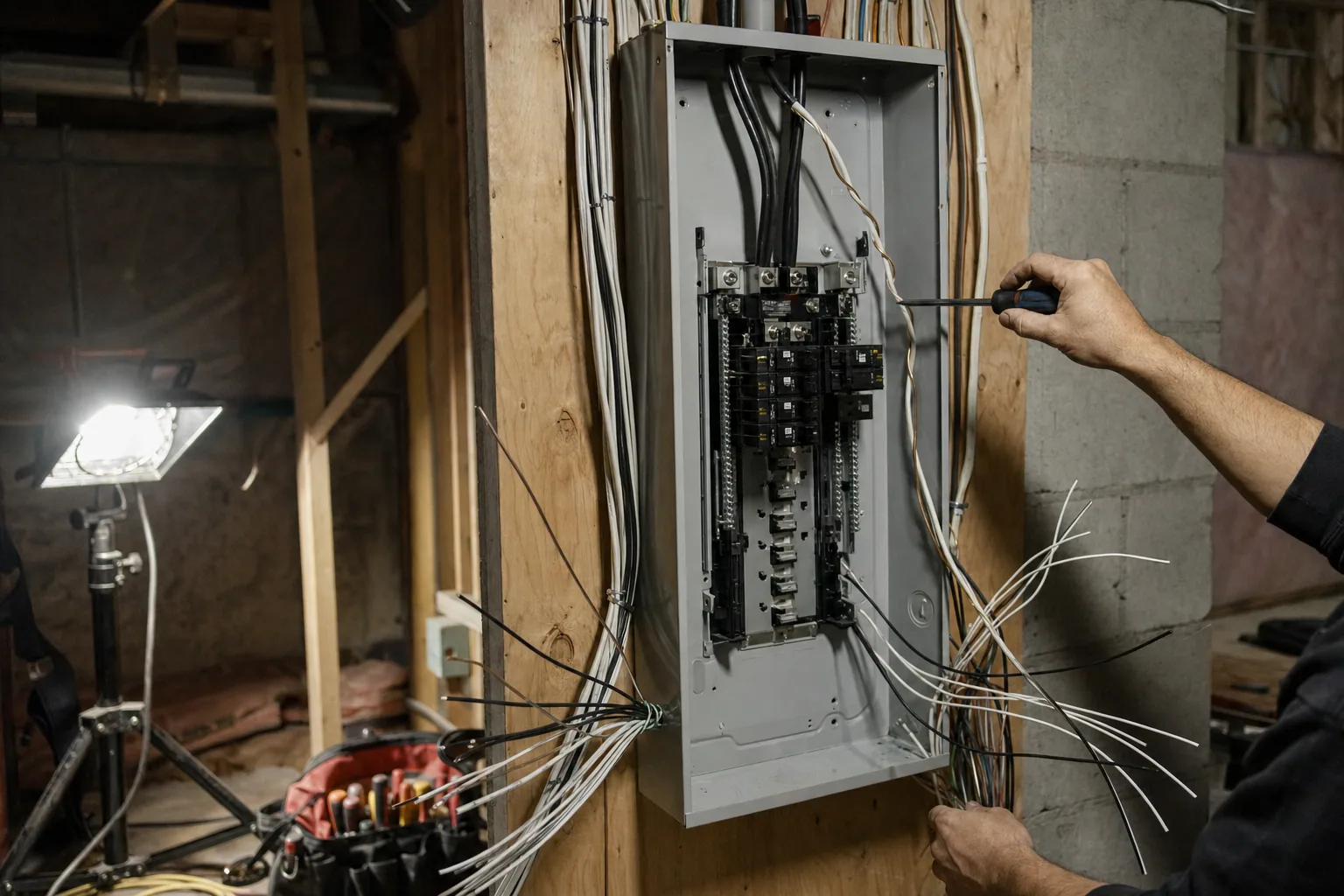
If you are resetting the same breaker every week, that is not normal. A breaker that trips occasionally is doing its job - protecting you from an overloaded circuit. But a breaker that trips repeatedly is telling you something is wrong.
The most common cause is an overloaded circuit. Too many devices on one circuit draw more current than the breaker is rated for. The fix is either adding a dedicated circuit or upgrading to a panel with more capacity.
A less common but more serious cause is a failing breaker. Breakers wear out over time. A breaker that trips under normal load may have weakened internal contacts. If this is happening, do not just keep resetting it. Call a licensed electrician.
Sign 2: You Have a Fuse Box (Not Breakers)
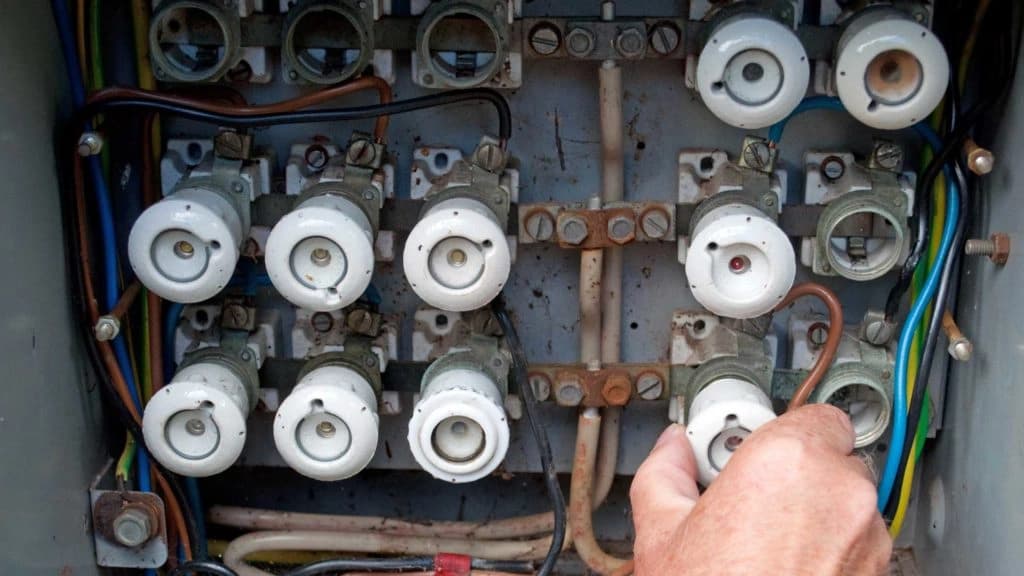
If your home still has a fuse box with screw-in fuses instead of circuit breakers, it is time for an upgrade. Fuse boxes were standard in homes built before the 1960s. They are not inherently dangerous, but they have serious limitations.
Fuses can be replaced with the wrong size, allowing too much current to flow through the circuit. Fuse boxes cannot be expanded to add new circuits without major modifications. And most Ontario insurance companies either refuse to insure homes with fuse boxes or charge significantly higher premiums.
Replacing a fuse box with a modern breaker panel is one of the most common upgrades we perform. It improves safety, lowers your insurance, and brings your home up to current code.
Sign 3: Burning Smell from Panel
A burning smell coming from your electrical panel is an emergency. Turn off the main breaker and call an electrician immediately.
The burning smell is caused by wiring or connections overheating inside the panel. This can happen when connections become loose over time, when wire insulation degrades from age or heat, or when a breaker is failing and arcing internally.
Do not open the panel cover yourself. Do not try to identify the source. Call a licensed electrician. This is a fire risk that requires immediate professional attention.
Sign 4: Flickering or Dimming Lights
If your lights flicker or dim when you turn on an appliance (the microwave, hair dryer, or air conditioner), your panel may not have enough capacity for your home's electrical demands.
Occasional, slight dimming when a large appliance kicks on is normal. The startup surge draws extra current momentarily. But if the dimming is pronounced, happens frequently, or affects multiple rooms, your panel is struggling.
This is especially common in older Brampton homes with 60 or 100-amp panels that were never designed for today's electrical loads. A panel upgrade solves this by providing enough capacity for everything in your home to run simultaneously.
Sign 5: You're Adding Major Appliances
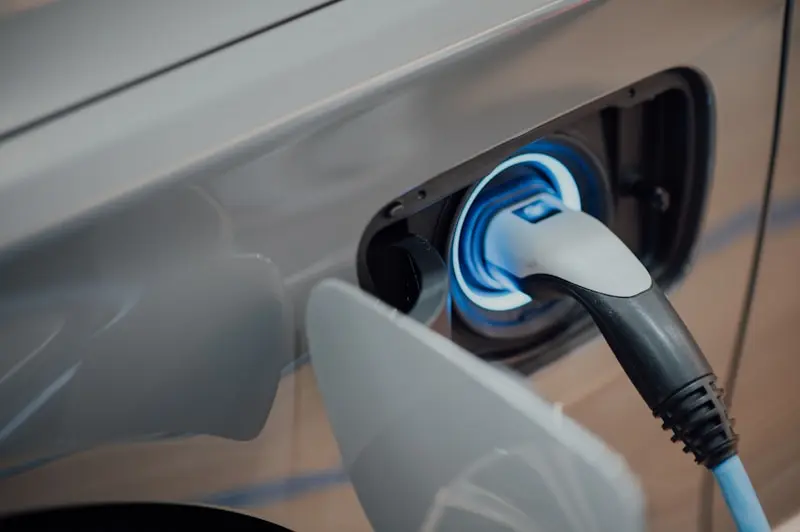
Planning to add an EV charger, hot tub, central air conditioning, or an electric stove? Each of these requires a dedicated circuit that draws significant amperage.
Before adding any major appliance, you need to know whether your panel can handle the additional load. Adding a 40-amp EV charger to a 100-amp panel that is already 80% loaded is a recipe for constant tripping and potential hazards.
We recommend a panel assessment before any major appliance addition. We measure your current load, calculate the new demand, and tell you honestly whether your panel can handle it or needs an upgrade. Book a $49 panel assessment with Superior Power Electric. The fee is credited toward your project if you proceed.
Sign 6: Your Panel is 25+ Years Old
Electrical panels have a lifespan of 25 to 40 years. If your panel was installed in the 1990s or earlier, it is approaching or past its expected life.
Older panels may have breakers that no longer trip properly, bus bars that have corroded or loosened, and outdated technology that does not include modern safety features like arc-fault circuit interrupters (AFCIs).
Even if your panel seems to be working fine, a panel over 25 years old deserves a professional inspection. Small problems inside the panel can exist for years before causing a visible issue. By then, the damage may already be done.
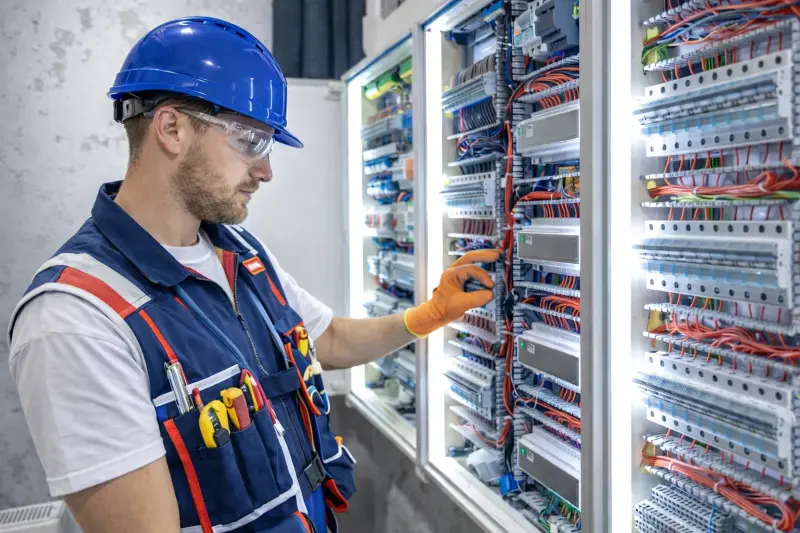
A licensed electrician can open the panel, inspect the bus bars, test the breakers, and check all connections. This inspection takes about 30 minutes and can save you from a much bigger problem down the road.
Electrical panels have a lifespan of 25 to 40 years.
Sign 7: You Have Aluminum Wiring
Homes built between 1965 and 1975 often have aluminum wiring. Aluminum expands and contracts more than copper as it heats and cools, which loosens connections over time. Loose connections cause arcing, which causes fires.
If your home has aluminum wiring, your panel connections are a critical inspection point. Aluminum-to-copper connections require special anti-oxidant compound and approved connectors. If these were not used (or have degraded), the connections inside your panel may be overheating.
We specialize in aluminum wiring remediation including pigtailing and full replacement. If your home has aluminum wiring, start with a panel and wiring assessment. We will tell you exactly what needs attention and what can wait.
What to Do Next
If you recognized one or more of these signs in your home, the next step is a professional assessment. Do not ignore warning signs from your electrical panel. Electrical fires are among the leading causes of house fires in Ontario.
Call Superior Power Electric at (647) 872-9954 to book a $49 panel assessment. We will inspect your panel, test your breakers, measure your load, and give you an honest recommendation. The $49 is credited toward your project if you proceed. If you do not need an upgrade, we will tell you that too.
ESA License #7014710. Serving Brampton, Mississauga, Vaughan, Caledon, Georgetown, and Oakville. We also handle knob-and-tube replacement and full home rewiring.
Common questions
Frequently asked
How do I know if my electrical panel is safe?
Schedule a panel inspection with an ESA-licensed electrician. They will test your breakers, check connections, measure load, and inspect for corrosion or damage. This takes about 30 minutes and gives you a clear picture.
How often should an electrical panel be inspected?
We recommend a professional inspection every 10 years for panels under 25 years old, and every 5 years for panels over 25 years old. If you notice any warning signs, get it checked immediately.
Are Federal Pioneer panels dangerous?
Federal Pioneer Stab-Lok panels have been the subject of widespread safety concerns. Testing has shown that some Federal Pioneer breakers fail to trip under overload conditions. If your home has a Federal Pioneer panel, we recommend replacement.
Can a bad electrical panel cause a fire?
Yes. Loose connections, failing breakers, and overloaded panels can all cause arcing and overheating, which are leading causes of electrical fires. Warning signs include burning smells, discoloration, and breakers that trip frequently.
What is the difference between a panel upgrade and a panel replacement?
A panel replacement swaps your old panel for a new one at the same amperage. A panel upgrade increases the amperage (typically from 100 to 200 amps) and may also require a new meter base and service entrance cable.
Shaun Pennant
Master Electrician, ESA/ECRA #7014710
Licensed master electrician with 15+ years serving Brampton and the Greater Toronto Area. Founded Superior Power Electric in 2020.