Toronto, Ontario
Pot Lights
in Toronto
Pot lights are the most popular lighting upgrade in renovated Toronto homes. Whether it is a Victorian kitchen renovation in Leslieville or a basement finishing in Scarborough, slim LED pot lights transform the space. We install 12 to 20 lights per project on average.
180+
Pot Lights jobs in Toronto
WHY CHOOSE US IN TORONTO
Local Electricians Who Know Toronto
Toronto's housing ranges from 1850s Victorians in Cabbagetown to 2020s condo towers in Liberty Village. The older neighbourhoods west and east of downtown have the highest concentration of knob-and-tube wiring, ungrounded outlets, and undersized panels. Postwar suburbs in North York and Scarborough face panel capacity issues as homeowners add EV chargers and home offices.
55-Minute Average Response
We batch Toronto appointments for efficiency. Most calls are serviced same-day, with a 55-minute average response time across the city.
ESA Licensed and Insured
Every Toronto job is ESA permitted and inspected. We carry $5M liability insurance, meeting the requirements of Toronto condo boards and property managers.
57 Five-Star Google Reviews
Our 5.0 rating reflects the care we put into every job, whether it is a condo panel in Liberty Village or a full rewire in The Beaches.
Every Property Type
Victorian semis, postwar bungalows, high-rise condos, commercial storefronts. We have worked on them all and understand the unique wiring challenges each one presents.
Neighbourhoods We Serve in Toronto
180+
Jobs in Toronto
Same-Day
Response time
47
5-star reviews
5+
Years serving GTA
THE SERVICE
Pot Lights — What's Included
What Are Pot Lights?
Pot lights - also called recessed lights or can lights - are light fixtures that sit flush inside your ceiling. Unlike pendant lights or chandeliers that hang down and collect dust, pot lights are completely recessed. You see the light, not the fixture. This creates a clean, modern look that opens up your space and makes ceilings feel taller. Modern pot lights use LED technology exclusively. LED pot lights produce bright, even illumination while using 75% less electricity than older halogen models. They last 25,000+ hours, which means roughly 15 years of daily use before you need to think about a replacement. Pot lights are the most requested electrical upgrade we do at Superior Power Electric - and for good reason.
Benefits of Pot Light Installation
The biggest advantage of pot lights is the clean, uncluttered ceiling. No bulky fixtures, no lampshades collecting dust, and no hanging pendants getting in the way. Your room instantly feels bigger and more modern. Pot lights also increase your home value. Real estate agents consistently list recessed lighting as a top upgrade that buyers notice during showings. A pot light installation in your kitchen or living room is one of the most visible improvements you can make before listing. Energy savings are real and immediate. LED pot lights draw 7-12 watts compared to 50-65 watts for halogen equivalents. For a 10-light installation, that saves roughly $100-$150 per year on your electricity bill. The fixtures themselves last so long that maintenance is essentially zero. Dimmer compatibility gives you full control over brightness. Set the lights to 100% for cooking and meal prep, then drop to 20% for dinner or movie night. Every LED pot light we install is dimmable and comes with a compatible dimmer switch.
Best Rooms for Pot Lights in Your Home
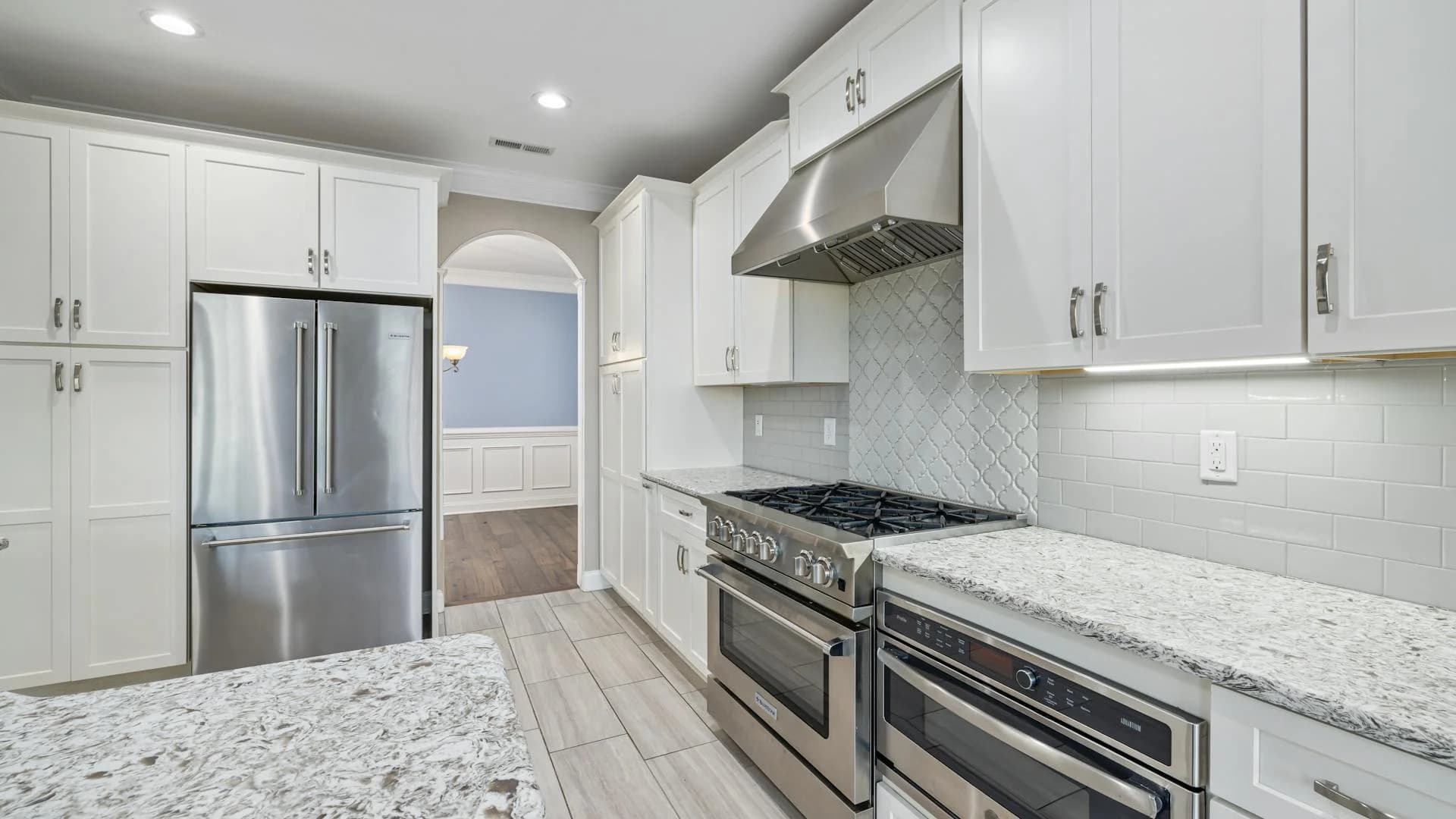
Kitchens are the number one room for pot lights in Brampton homes. Even lighting across countertops, islands, and prep areas makes cooking easier and safer. We typically install 6-8 pot lights in a standard kitchen, with tighter spacing over the island and sink where task lighting matters most. Living rooms benefit from layered lighting. Pot lights on a dimmer switch give you flexibility - bright for reading or board games, low for watching TV. We often pair recessed lights with one accent fixture for depth. Basements are transformed by pot lights. Most basements have low ceilings (7-8 feet), and recessed lighting avoids taking up any headroom. A dark, unfinished storage space becomes a livable family room, home office, or entertainment area with proper pot light placement. Bathrooms get a spa-like feel with pot lights placed over the vanity, shower, and tub area. For shower installations, we use wet-rated LED fixtures built to handle humidity and moisture. Hallways and entryways become welcoming with evenly spaced pot lights replacing outdated flush-mount ceiling fixtures. Even 3-4 pot lights down a hallway make a noticeable difference.
How Many Pot Lights Do You Need Per Room?
The general guideline is one pot light for every 25 square feet of room space. A 100-square-foot room needs about 4 pot lights. A 200-square-foot living room needs about 8. But this is a starting point - the actual number depends on ceiling height, wall color, natural light, and how you use the space. For spacing, the standard rule is to place pot lights at a distance equal to half the ceiling height. With 8-foot ceilings, that means 4 feet between each light and 2 feet from the nearest wall. With 9 or 10-foot ceilings, you space them slightly further apart. Here is a quick reference for common rooms in Brampton homes. Kitchen (100-150 sq ft): 6-8 pot lights. Living room (200-300 sq ft): 8-12 pot lights. Basement (400-600 sq ft): 12-20 pot lights. Bathroom (40-60 sq ft): 3-4 pot lights. Hallway: 1 pot light every 4-5 feet. We plan every layout before installation. You see the exact placement on paper and approve it before we cut a single hole in your ceiling.
LED vs Halogen Pot Lights
We install LED pot lights exclusively, and here is why. LEDs use 75% less energy than halogen, last 25,000+ hours (compared to 2,000 for halogen), and produce significantly less heat. Less heat means they are safer in insulated ceilings where IC-rated fixtures sit directly against insulation material. LED pot lights are available in a range of color temperatures. Warm white (2700K) gives a cozy, yellowish tone similar to traditional incandescent bulbs. Neutral white (3500K) is a balanced tone popular in kitchens. Daylight (5000K) is the brightest and whitest, ideal for task areas and garages. The upfront cost of LED fixtures is slightly higher than halogen, but the payback is fast. Between energy savings and the fact that you will not replace a burned-out LED bulb for over a decade, LED pot lights cost less to own over their lifetime.
Our Pot Light Installation Process
Every pot light project starts with a consultation. We measure your room, assess your ceiling type (drywall, drop ceiling, or vaulted), check your electrical panel capacity, and discuss your goals. Do you want bright task lighting? Warm ambient glow? A mix of both? We plan accordingly. Next comes layout planning. We map pot light positions based on ceiling height, room dimensions, furniture placement, and natural light sources. You review and approve the plan before any work begins. Installation day starts with drop cloths to protect your floors and furniture. We mark positions on the ceiling, cut clean openings with a hole saw, run new wiring from your electrical panel, and install IC-rated LED fixtures. Every connection is tested for safety and code compliance. We finish with trim selection and dimmer switch installation. You walk through the finished result, test the dimmer, and confirm everything looks right. We clean up completely - no drywall dust, no scrap wire, no mess left behind. If your project requires an ESA inspection (larger installations or new circuit work), we handle the permit application, schedule the inspection, and deliver your certificate of inspection.
Pot Light Installation Cost in Brampton
Pot light installation typically costs $150 to $250 per light, depending on your ceiling type and how accessible the wiring path is. A standard 6-light kitchen installation runs $900 to $1,500 total. A full basement with 12-16 pot lights ranges from $1,800 to $4,000. Factors that affect pricing include ceiling material (drywall is straightforward, plaster or concrete costs more), accessibility above the ceiling (open attic space vs. finished floor above), distance from your electrical panel, and whether you need a new dedicated circuit. We offer two ways to get exact pricing. Our $49 on-site assessment sends a licensed electrician to your home to inspect the ceiling, check panel capacity, and give you a written quote. The $49 fee is credited toward your project if you go ahead. If you prefer, send us photos and room dimensions for a free remote estimate. Financing is available through Financeit for larger projects. Apply online, get approved in minutes, and spread the cost into affordable monthly payments.
Why Choose Superior Power Electric for Pot Lights
We hold ESA/ECRA License #7014710. Every pot light installation meets or exceeds Ontario Electrical Safety Code standards. We are fully insured with $5 million in coverage. Shaun Pennant, the owner of Superior Power Electric, brings over 15 years of hands-on electrical trade experience. We have completed hundreds of pot light installations across Brampton, Mississauga, Vaughan, Caledon, Georgetown, and Oakville since 2020. Our 47 Google reviews at a 5.0-star rating speak for themselves. We show up on time, quote honestly, and leave your home cleaner than we found it. Check our project photos - you can see real pot light work we have done in Brampton and Mississauga homes. We serve Brampton, Mississauga, Vaughan, Caledon, Georgetown, Oakville, and the broader GTA. Same-day quotes are available. Call (647) 872-9954 or book your $49 assessment online.
Recent Pot Light Projects in the GTA
A homeowner in Brampton's Credit Valley neighbourhood wanted to replace the single chandelier in their kitchen with eight pot lights before listing the home. We planned a layout that kept the lights clear of ceiling joists, installed a compatible dimmer switch, and finished the job in four hours. The homeowner's real estate agent noted the kitchen looked significantly larger in listing photos. In Mississauga's Erin Mills area, a couple finishing their basement wanted pot lights throughout - a 650-square-foot open space. We installed 16 recessed LED fixtures in a uniform grid, ran a new dedicated circuit from the panel, and wired in a single dimmer. The basement went from dark storage to a bright family room in one day. A Brampton homeowner in the Sandringham area had a vaulted ceiling in their living room and wanted pot lights installed without damaging the ceiling. We used remodel-rated IC fixtures designed for accessible spaces and ran the wiring through the attic above, cutting clean openings from below. No drywall damage, no patching required. A townhouse owner in Brampton's Fletchers Creek area wanted pot lights added to four rooms: kitchen, dining room, master bedroom, and hallway. We staged the work by floor over two days, reusing existing circuits where load allowed, and completed 24 lights total with two dimmer zones.
Pot Light Installation Across the GTA
We install pot lights throughout the Greater Toronto Area, not just Brampton. Whether you are in Mississauga's Erin Mills, Vaughan's Maple neighbourhood, Georgetown, Oakville, or Caledon, we offer the same same-day service and ESA-licensed installation. Mississauga homeowners typically contact us for kitchen and basement pot light projects. Homes in Streetsville, Meadowvale, and Lorne Park tend to have accessible attic space above, which makes wiring runs faster and keeps costs at the lower end of our range. For Mississauga residents, expect $150 to $200 per light for standard installations. In Vaughan and Woodbridge, we frequently work in larger detached homes where homeowners want pot lights across multiple rooms - kitchen, living room, dining room, and master bedroom in a single project. Multi-room projects allow us to batch the wiring runs, which is more efficient and reduces total project cost per light. Georgetown and Caledon homeowners often have older homes with plaster ceilings or knob-and-tube wiring behind the drywall. We assess these situations as part of the $49 on-site visit and adjust our approach accordingly. Plaster ceilings require a more careful cut and different finishing trim, but the result is identical. If you are outside Brampton, call (647) 872-9954 or request a free remote estimate. We quote every job in writing before any work begins, regardless of where you are in the GTA. For Brampton-specific pricing and availability, see our [Brampton electrician page](/locations/brampton).
How We Plan Pot Light Layouts Before We Cut a Single Hole
The most common mistake homeowners make with pot lights is not planning the layout before cutting. Lights placed too close to walls look awkward. Lights placed over kitchen cabinets instead of the countertops miss the point entirely. Uneven spacing is immediately obvious once the lights are on. Before any hole gets cut on your ceiling, we do a proper layout. We start with your room dimensions and ceiling height, then factor in furniture placement, natural light sources, and how you actually use the space. We mark every light position on paper (or tape it directly on the ceiling temporarily) and walk you through it room by room. You approve the layout before we pick up a hole saw. For kitchens, we position lights specifically over work surfaces - the countertops, island, and sink - not just evenly spaced across the ceiling. For living rooms on a dimmer, we consider how the shadows fall across the walls at different brightness levels. For basements with low ceilings, we account for head clearance near beams and HVAC ductwork. This planning step takes an extra 20 minutes per room, but it is what separates a professional pot light installation from a job that looks off and cannot be undone without patching drywall.
TORONTO ELECTRICAL REALITIES
What Toronto Homeowners Deal With
Every city has its own electrical quirks. Here's what we see most often in Toronto.
Knob-and-Tube Wiring in Century Homes
Toronto has thousands of homes built before 1940 that still have active knob-and-tube wiring. This wiring was not designed for modern loads and degrades with age. Insurance companies are increasingly refusing to insure homes with active knob-and-tube. Removal requires careful work to avoid damaging original plaster and trim.
Condo Panel Capacity Limits
Many Toronto condos were built with 100-amp suite panels that are already near capacity. Adding an EV charger, induction cooktop, or electric dryer requires load calculations and sometimes a panel upgrade. Condo boards have their own approval processes that add time and complexity.
Underground Service Upgrades
Older Toronto homes often have overhead electrical service from Toronto Hydro. Upgrading to 200-amp service sometimes requires converting to underground feed, which involves coordination with the utility and trenching work. This adds cost and timeline but is necessary for modern electrical demands.
Unpermitted Renovation Wiring
Decades of renovations in Toronto homes have left layers of unpermitted electrical work. We frequently find circuits tapped off other circuits, undersized wire for the load, and junction boxes buried behind drywall. A proper inspection and remediation brings everything up to current code.
EV Charging in Older Neighbourhoods
Toronto homeowners with garages in older areas like The Beaches, Leslieville, and The Junction often need a panel upgrade before they can add an EV charger circuit. The 60 or 100-amp panels in these homes were not designed for the 50-amp draw of a Level 2 charger.
Aging Federal Pioneer Panels
Homes built in Toronto between 1975 and 1990 frequently have Federal Pioneer Stab-Lok panels with a documented history of breaker failure. These panels are flagged during home inspections and should be replaced proactively.
FAQ
Pot Lights in Toronto - Common Questions
NEARBY CITIES
Pot Lights in Nearby GTA Cities
We serve Toronto and the surrounding area. Same ESA-licensed team, same quality.
MORE SERVICES IN TORONTO
Other Electrical Services We Offer in Toronto
24/7 emergency electrician for Toronto homes and condos. From a sparking panel in The Junction to a dead circuit in Leslieville or a burning smell in Roncesvalles - we dispatch licensed electricians across all Toronto neighbourhoods. 55-minute average response. Knob-and-tube and aluminum wiring emergencies handled safely. ESA licensed, no call centres.
Toronto's older homes in Roncesvalles, The Junction, Leslieville, and East York are the primary source of panel upgrade work. Many still have 60-amp fuse boxes or outdated 100-amp panels. We upgrade to 200-amp breaker panels with full ESA permitting, coordinating with Toronto Hydro for service upgrades when needed.
Toronto has one of the highest concentrations of knob-and-tube wiring in Ontario. Homes in The Annex, Cabbagetown, Parkdale, and Roncesvalles were built when this wiring method was standard. We carefully remove all active knob-and-tube and install new copper wiring without unnecessary damage to original plaster and woodwork.
Toronto's EV adoption is growing fast, and homeowners with garages are adding Level 2 chargers. In older neighbourhoods, this often requires a panel upgrade first. For condo residents, we work with building management to install chargers in parking garages with proper metering and load management.
Toronto homes built before 1960 often need complete rewiring. We replace outdated copper, aluminum, or knob-and-tube wiring with modern NMD90 copper, add grounding throughout, and upgrade the panel to 200 amps. This work is especially common in East York, The Danforth, and High Park.
READY TO BOOK?
Pot Lights in Toronto - Booked Fast
$49 on-site assessment credited toward your project. ESA-licensed, fully insured. Same-day service available.