Is the ESA Letter About My EV Charger Real?
Yes. The letter is real and you should not throw it out. The Electrical Safety Authority (ESA) is the Ontario agency that enforces the electrical code. Its letters come from its office at 400 Sheldon Dr in Cambridge and list the number 1-877-372-7233 (1-877-ESA-SAFE).
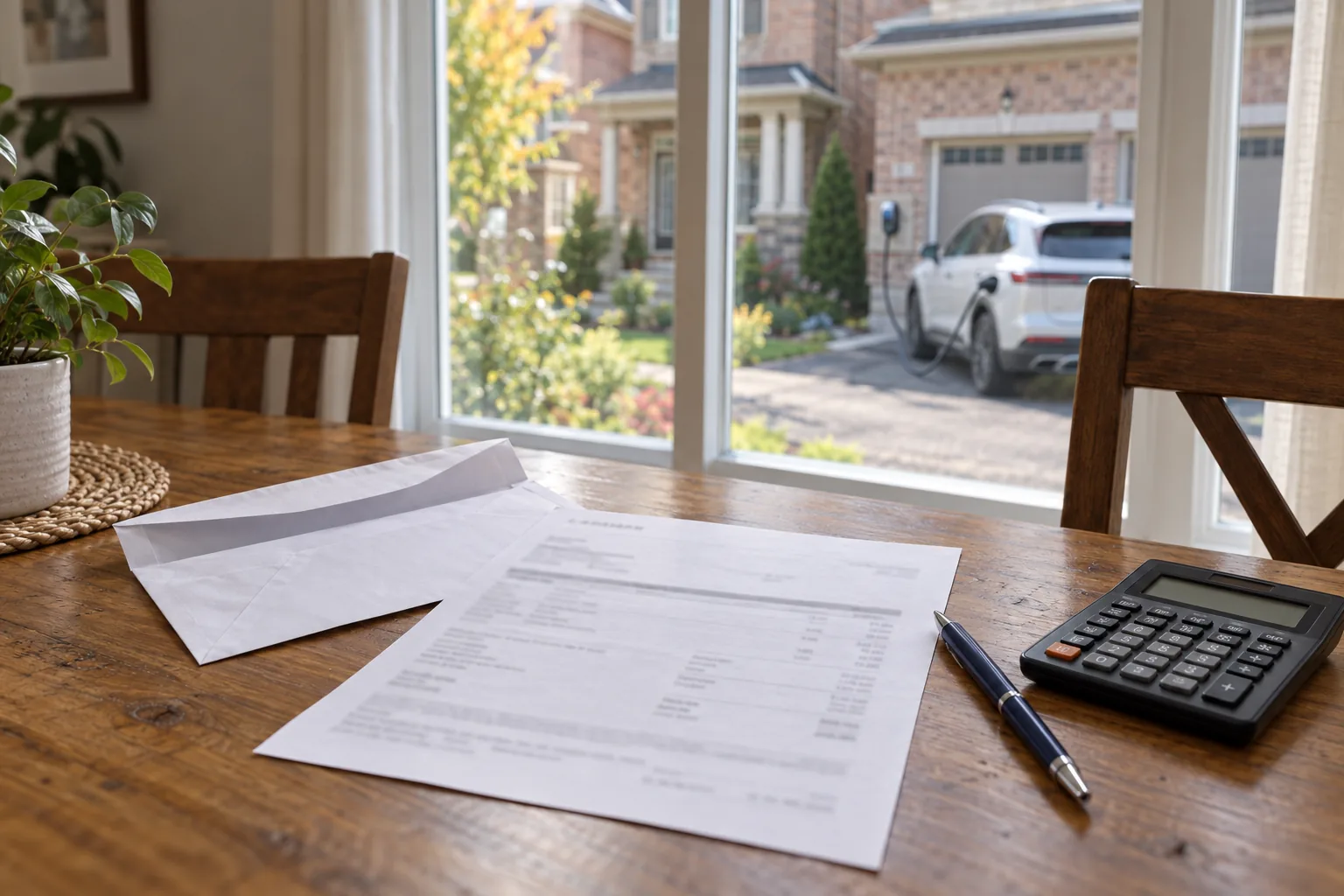
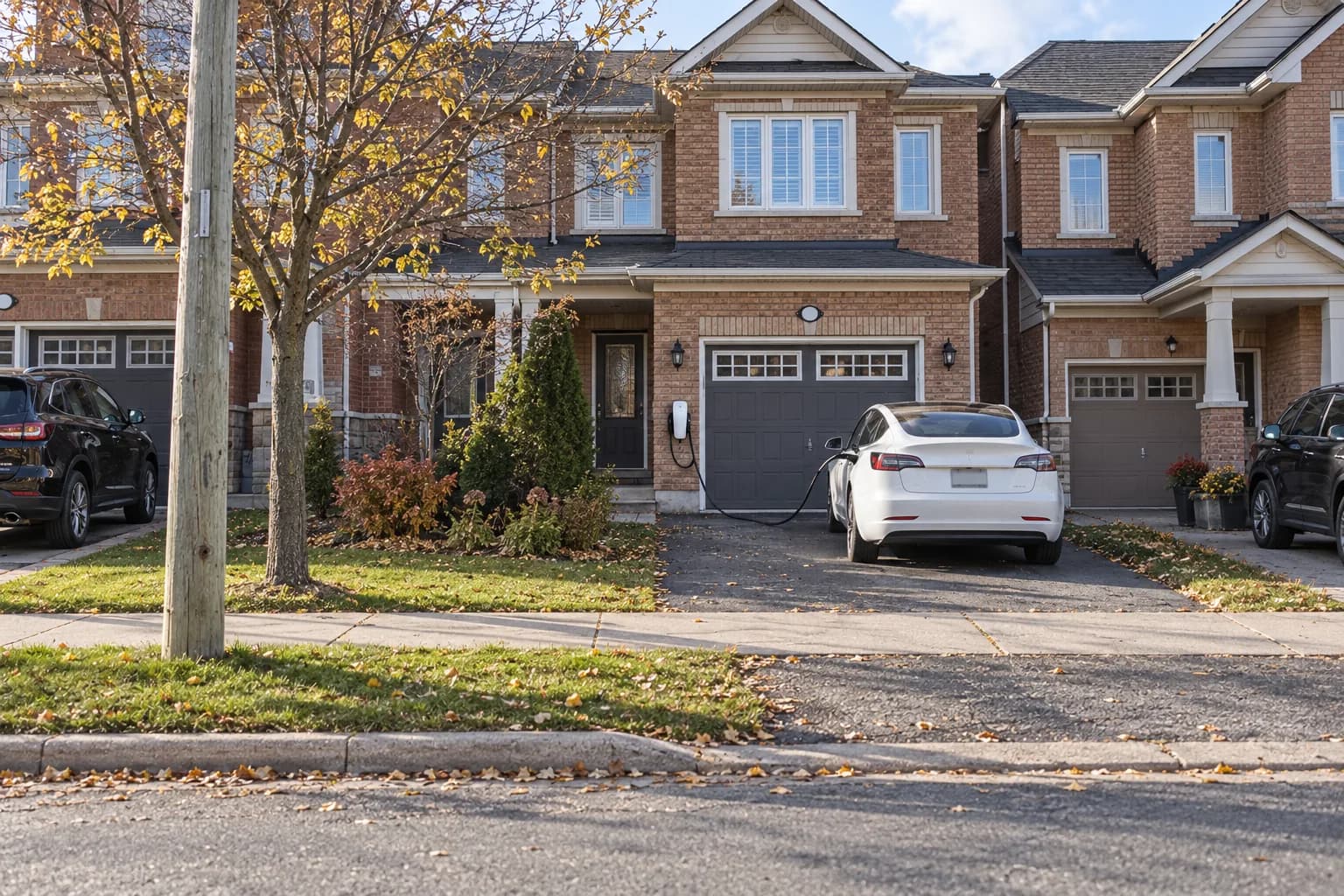
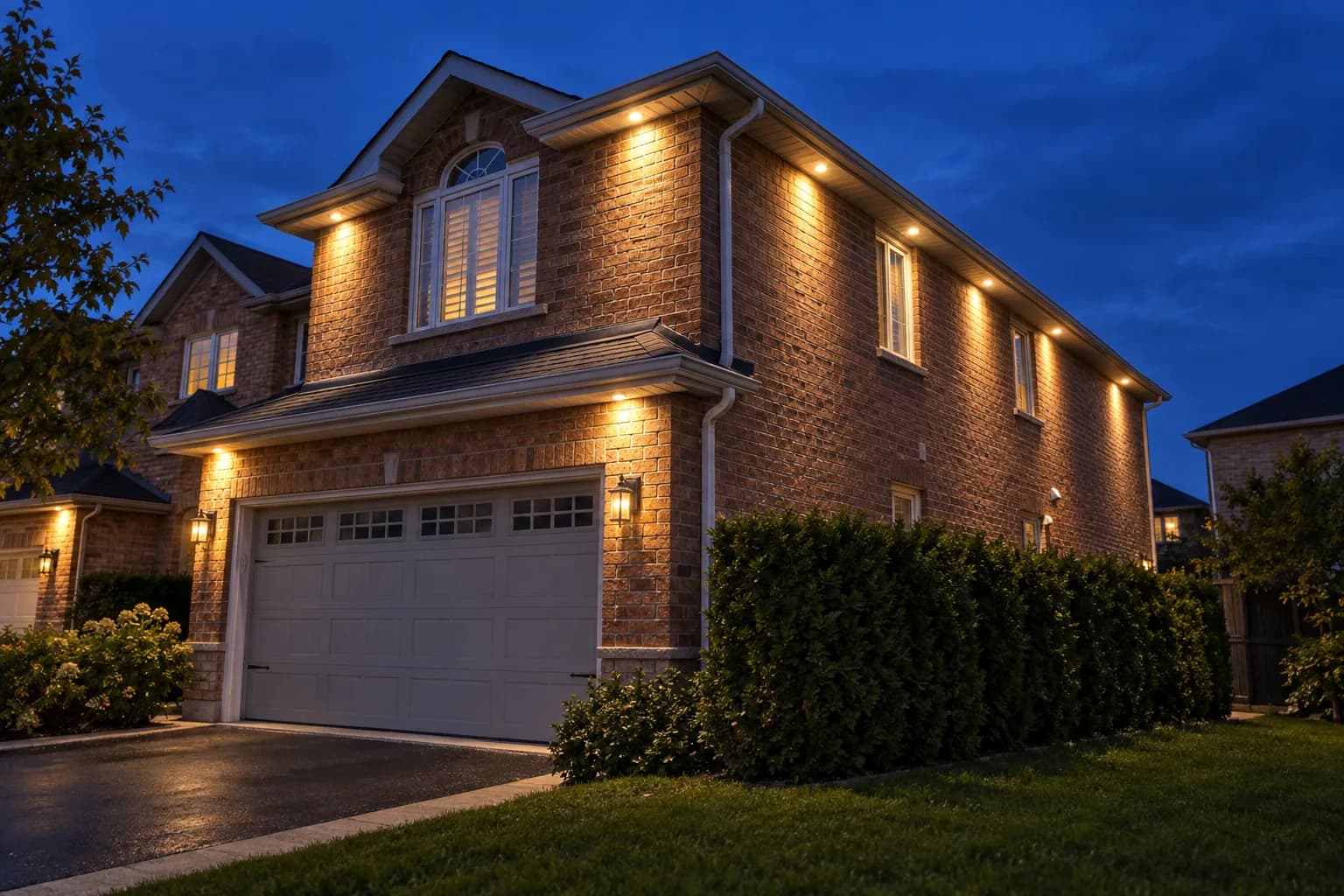
This fall, homeowners in Brampton and across the GTA have been calling us with the same letter. It says ESA has spotted an electric vehicle at the home, and that ESA has no record of a notification of work for a charger or a charging outlet. A notification of work is what most people call an electrical permit. Some letters also list exterior soffit pot lights, the lights set into the overhang around your roof. Some homeowners also get a separate ESA bill for an investigation.
The letter points to Rule 2-004 of the Ontario Electrical Safety Code. That rule says whoever does electrical work must file a notification with ESA before the work starts, or within 48 hours if that is not possible. If nothing is on file, ESA treats the work as uninspected and asks you to deal with it.
Why Did ESA Send the Letter to My House?
ESA has been watching home EV chargers for a few years. In 2023 it ran a safety blitz in Toronto and found more than 400 EV charger installs done without a permit. Inspectors found extension cords running across sidewalks and chargers mounted on trees.
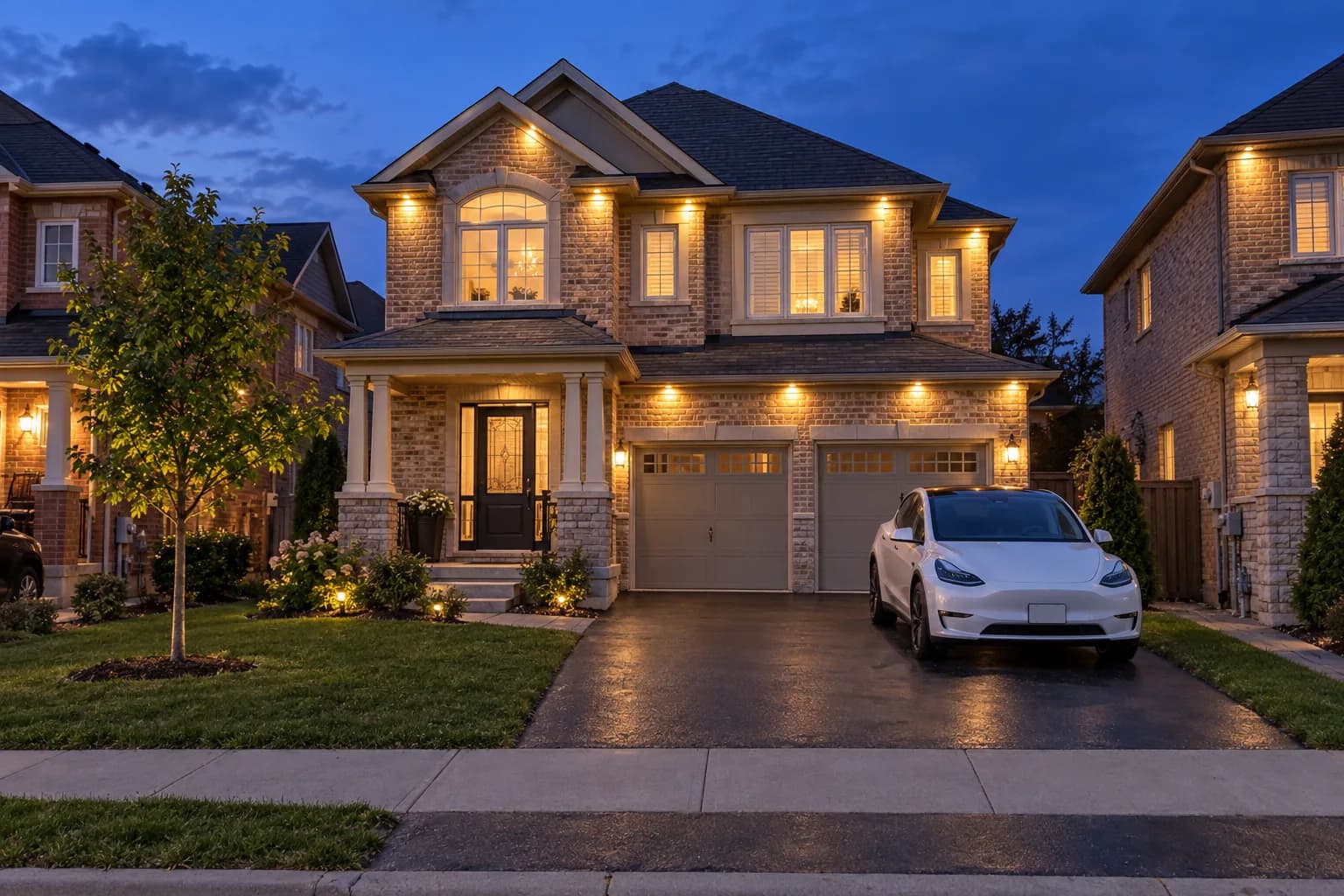
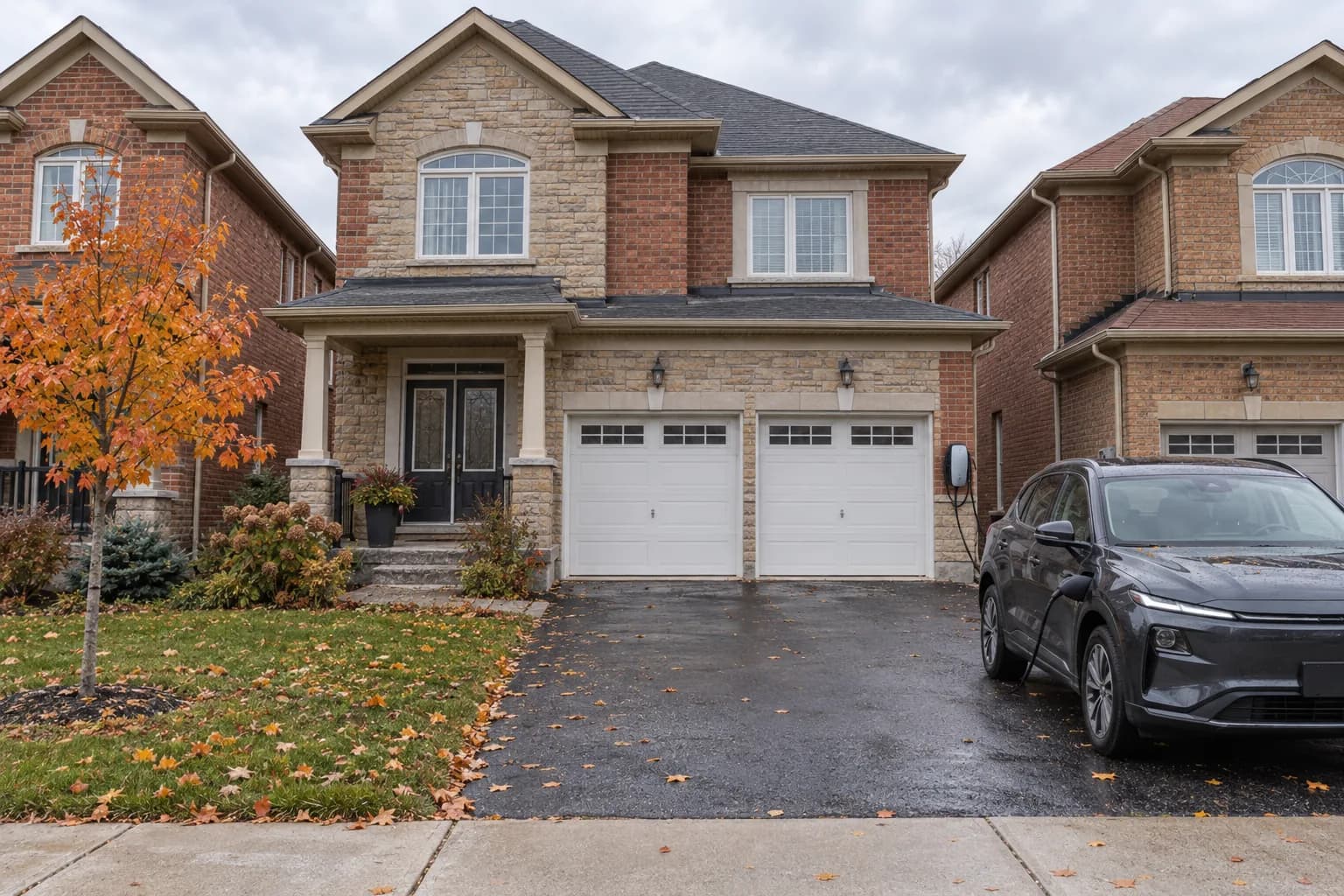
ESA does not publish exactly how it picks addresses. One Toronto homeowner who got a letter in 2024 was told by ESA staff that inspectors flag chargers they can see from the street. A charger on the garage wall or a post in the driveway is easy to spot. So are new pot lights in the soffit.
If you bought the house with the charger or the lights already in, the letter still comes to you as the owner. ESA can require the owner to correct defects, and ESA notes that an open permit passes to the new owner when a home is sold.
What Happens If You Ignore It?
Costs go up and the steps get harder. The defect notice itself warns that if the work is not corrected in time, ESA can defer your account, issue an order to comply, prosecute, or disconnect your power. It also says fees of up to $200 can apply for each step.
Those fees are real. ESA's 2026 fee guide lists $177 for processing overdue defects, $177 for a re-inspection when defects are not fixed, and $177 for each disconnection letter.
It can go further. Since April 2023, ESA can issue administrative penalties of $100 to $10,000, and working without a permit is one of the examples it lists. Under the Electricity Act, a court can fine a person up to $50,000. Most homeowners never get close to that. They call, get the work inspected, and close the file. That is the goal.
It also says fees of up to $200 can apply for each step.
What to Do: 5 Steps to Close Out the Letter
Step 1: Keep the letter and any invoice. Find the notification number near the top. Your electrician and ESA will both ask for it.
Step 2: Call ESA at 1-877-372-7233. Ask what they need from you and by what date. If nothing was ever installed, for example your car charges from a plain outlet that was already in the garage, say so on this call.
Step 3: Hire a Licensed Electrical Contractor. In Ontario, anyone you pay to do electrical work must hold an ESA contractor licence. A handyman, a general contractor, or a friend cannot fix it for you. You can check any licence on ESA's Contractor Locator Tool.
Step 4: The electrician files their own notification of work for the charger or lights, checks the install against the code, fixes anything that is wrong, and books the ESA inspection.
Step 5: ESA inspects. When it passes, ESA issues a Certificate of Acceptance. Keep it with your house papers. Your insurer or a future buyer may ask for it. The defect notice has a signature line that says the defects were corrected. Do not sign it until the work is actually fixed.
What If I Did the Work Myself?
Ontario lets an owner or occupant do electrical work in their own home, but they still have to file a notification with ESA. If you installed the charger or the lights yourself, you can file one yourself. ESA's 2026 homeowner fee for an EV charger or outlet is $93. Read our full guide to EV charger and pot light permits for the rest of the fees.
If a friend, a relative, or an unlicensed installer did the work, you cannot file for them. ESA is clear that friends, family and neighbours are not allowed to do electrical work in your home. In that case, a licensed contractor has to take over the install, inspect it, fix it, and file their own notification.
What the ESA Inspector Will Look At
For an EV charger, ESA's own EV bulletin sets the rules. The charger needs its own circuit, unless an energy management system controls the load. A 14-50 plug-in outlet must sit on a 50 amp breaker. The electrician must show the panel can carry the new load. ESA says the most common hazard it sees is a charger added to a panel that does not have room for it. If yours needs more capacity, that is where a panel upgrade or a load management device comes in.
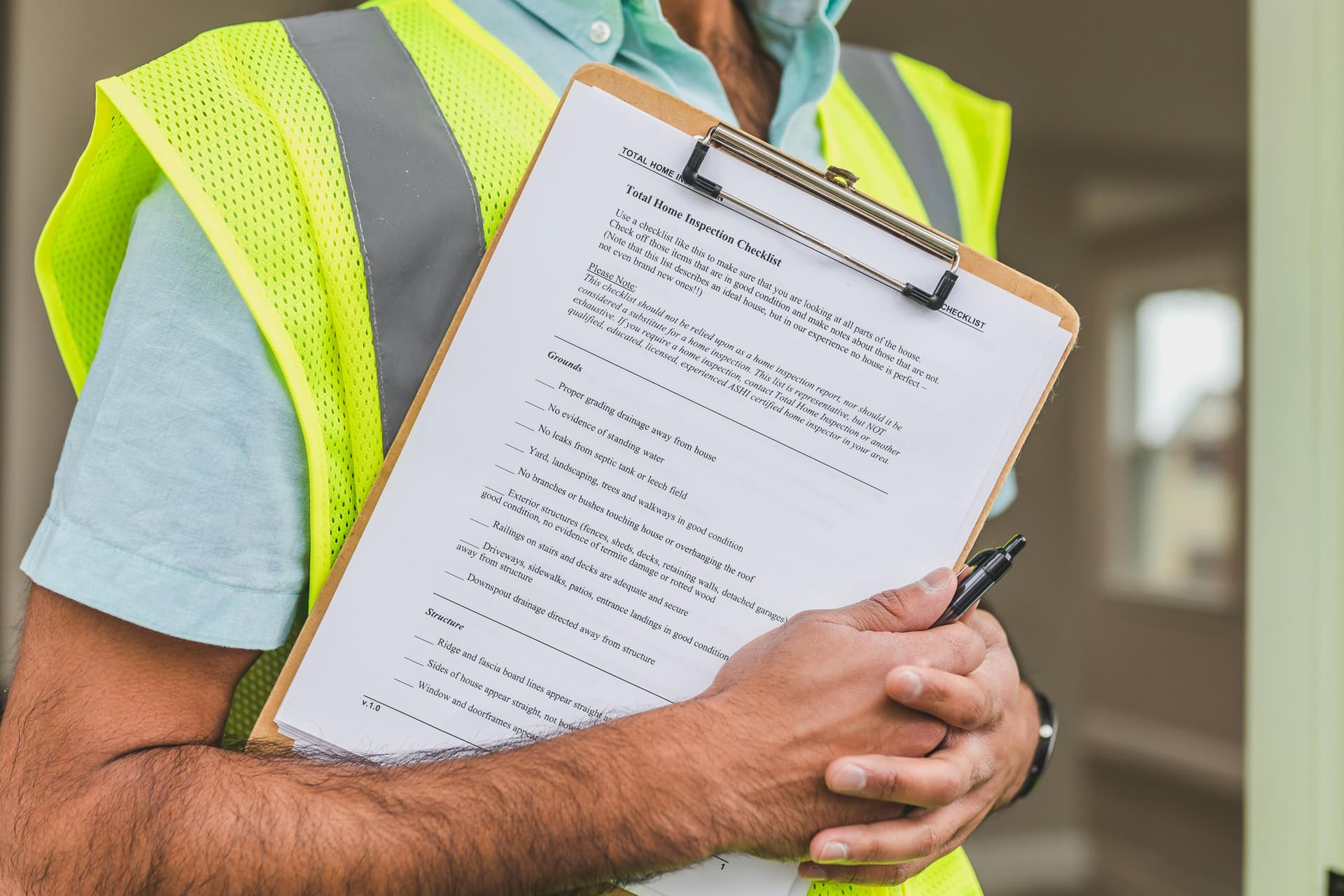
For exterior pot lights, the inspector checks that each light is rated for the outdoor spot it sits in, that it is the right type for the insulation around it, and that the wiring and connections meet the code rules for recessed lights.
If the inspector finds a problem, ESA writes it up on a defect notice with a date to fix it by. Once it is fixed, the electrician asks ESA to come back and close it.
For an EV charger, ESA's own EV bulletin sets the rules.
How Superior Power Electric Helps GTA Homeowners With ESA Letters
We are a Brampton-based Licensed Electrical Contractor (ESA licence #7014710). Several homeowners have already called us about these letters this fall, so we know what ESA is asking for.
Here is what we do. We look at your letter and your install. We file our own notification of work with ESA. We fix anything that does not meet code. We book the inspection and deal with ESA for you. When the work passes, you get the Certificate of Acceptance.
If you also got an ESA investigation bill, read what the 'working without notification' charge means before you pay it.
Book a $49 on-site assessment, credited toward the work if you go ahead, or call (647) 872-9954. We serve Brampton, Mississauga, Caledon, Vaughan, Georgetown, Oakville and Toronto.
Common questions
Frequently asked
Is the ESA letter about my EV charger a scam?
No. ESA, the Electrical Safety Authority, does send these letters. They come from 400 Sheldon Dr in Cambridge, Ontario and list the number 1-877-372-7233. If you are unsure, call that number yourself (do not use a number from an email or text) and give them the notification number on the letter.
Why did ESA say it identified an electric vehicle at my property?
ESA has been targeting home EV chargers installed without a permit since at least its 2023 Toronto blitz, which found more than 400. ESA does not publish exactly how it picks homes, but one Toronto homeowner was told inspectors flag chargers they can see from the street.
My car just plugs into a regular outlet. Do I still need to do anything?
Call ESA and explain. Plugging a Level 1 cord into an outlet that was already there is not new electrical work. In one 2024 Toronto case, ESA inspectors looked at a plug-in charger on an existing outlet and closed the file. But a new outlet put in for the car does need a permit.
Who can legally fix an EV charger or pot lights installed without a permit?
You can, if you are the owner or occupant and you did the work yourself, as long as you file a notification with ESA. Anyone you pay must be a Licensed Electrical Contractor. Friends, family, handymen and general contractors are not allowed to do it.
How long do I have to fix it?
ESA sets the deadline on your defect notice, so read it closely and call ESA at 1-877-372-7233 if it is unclear. Waiting past the date can add $177 fees for overdue defects and can lead to an order or a power disconnection.
Will ESA cut off my power?
It can, but only after other steps. The Ontario Electrical Safety Code lets ESA disconnect power when defects are not fixed as directed. Getting the work inspected and corrected stops that process.
How much does it cost to fix?
The ESA permit fee for an EV charger in 2026 is $86 to $92 when a licensed contractor files it. Any repair cost depends on what the inspector or electrician finds. Superior Power Electric starts with a $49 on-site assessment, credited toward the work, and gives you a written quote first.
Shaun Pennant
Master Electrician, ESA/ECRA #7014710
Licensed master electrician with 15+ years serving Brampton and the Greater Toronto Area. Founded Superior Power Electric in 2020.