Aluminum wiring, handled honestly
Do I actually need to worry about aluminum wiring?
If your house was wired between about 1965 and 1976, probably yes - but not for the reason you think. The wire itself isn't the problem. It's every place that wire touches a switch, outlet, or breaker. Those connection points loosen over time and can overheat. The fix is well understood and most homes don't need a full rewire to solve it.
The $49 comes off your project. Free remote estimates from photos.
 ESA/ECRA #7014710
The 20-second version
If you read nothing else on this page, read these.
- The danger is at the connections, not the wire run itself - loose or oxidized joints get hot.
- Three fixes are actually approved: COPALUM crimps, AlumiConn connectors, or a full rewire. Regular twist-on wire nuts are not one of them.
- Most insurers want an ESA inspection and proof of remediation before they'll renew your policy.
- Connector-based fixes run $1,500-$4,500 for a typical house - a lot cheaper than people assume.
- A $49 on-site assessment tells you exactly what you have and what it'll cost, and it comes off the final bill.
Every question, answered
Ask us anything. Here is all of it.
Money
How much does aluminum wiring repair cost?
For connector-based remediation (COPALUM or AlumiConn) on a typical 3-bedroom house, figure $1,500 to $4,500. That covers every outlet, switch, and light fixture connection the aluminum wire touches. A full rewire is a different animal entirely - see the cost table below.
Why is there such a big price range?
Number of devices is the big one. A bungalow with 25 outlets and switches costs less than a two-storey with 60. Panel condition matters too - if your panel is already tired, bundling that work saves you a second trip charge.
Is this cheaper than I'm expecting?
Usually, yes. People hear 'aluminum wiring' and picture ripping open every wall. For most houses it's connector work - about the price of a used snowblower, not a used car.
Do you offer financing?
Yes, through Financeit. Useful if an insurer is giving you a deadline and the timing doesn't line up with your savings account.
What's included in the $49 assessment?
Shaun opens panels and a sample of devices, confirms it's actually aluminum branch wiring (not just the service entrance, which is normal), and gives you a real number in writing. That $49 is credited toward the job if you move forward.
Insurance
Will my insurance company actually cancel me over this?
Some will decline to renew, some will demand proof of remediation within 30-90 days, and some haven't caught up yet and won't ask until a claim happens. It varies by insurer and sometimes by underwriter mood. Either way, waiting for a letter is the expensive way to find out.
Is this an insurance scam?
No. Aluminum branch wiring is a documented fire-risk factor going back to the 1970s, and the connection-overheating mechanism is real electrical science, not a sales story. What can feel scammy is a contractor who quotes a full rewire when connector remediation would satisfy the insurer just fine.
What exactly do insurers want to see?
Almost always an ESA (Electrical Safety Authority) inspection report, plus proof the remediation was done by a licensed electrician under permit. A handshake and an invoice from your brother-in-law won't satisfy anyone.
Can I get proof of the fix without a full ESA audit of my whole house?
The ESA inspection that follows aluminum remediation work is scoped to the work performed, not a whole-house audit. If you want the bigger picture too, that's a separate EICR-style report, and plenty of people do both back to back.
Do I need to tell my insurer before I get it fixed, or after?
After, generally - you want the completed report in hand, not a promise. If they've already sent you a letter with a deadline, tell them you have a licensed electrician booked so the clock doesn't feel one-sided.
Safety
Is my house going to catch fire tonight?
No. This is a long-term risk that builds over years of thermal cycling and oxidation at connection points, not something that flips from fine to dangerous overnight. That said, warm switch plates or flickering lights are worth a same-week call, not a someday call.
What are the actual warning signs?
Warm or discolored outlet and switch covers, a faint burning smell near an outlet, flickering lights that aren't dimmer-related, or breakers that trip for no obvious reason. Any one of those means stop DIY-ing and call someone.
Why is it the connections and not the wire itself?
Aluminum expands and contracts with heat more than copper does. Every time a connection heats and cools, it loosens a tiny bit - that's called thermal creep. Loose connections arc and heat up further. Aluminum also oxidizes, and that oxide layer resists current, which makes more heat. The wire run inside your walls isn't doing anything wrong. It's the joints doing this dance thousands of times over 50 years.
Can I just ignore it?
You can, and plenty of houses with untouched aluminum wiring never have an issue. But 'probably fine' isn't a great pitch to an insurer, a home inspector, or your own peace of mind. If nothing else, get the $49 assessment so you're deciding with facts instead of guessing.
Does this affect smoke detectors or anything else in the house?
Not directly, but it's a good excuse to have both checked at once. If your panel is original to the house too, ask about a panel upgrade while the electrician is already there.
The fix options
What's a COPALUM crimp?
A copper pigtail is permanently crimped onto the aluminum wire using a tool licensed specifically for this job, then sealed. It's the gold-standard fix, endorsed by the aluminum industry itself decades ago, and it's permanent - no future loosening.
What's an AlumiConn connector?
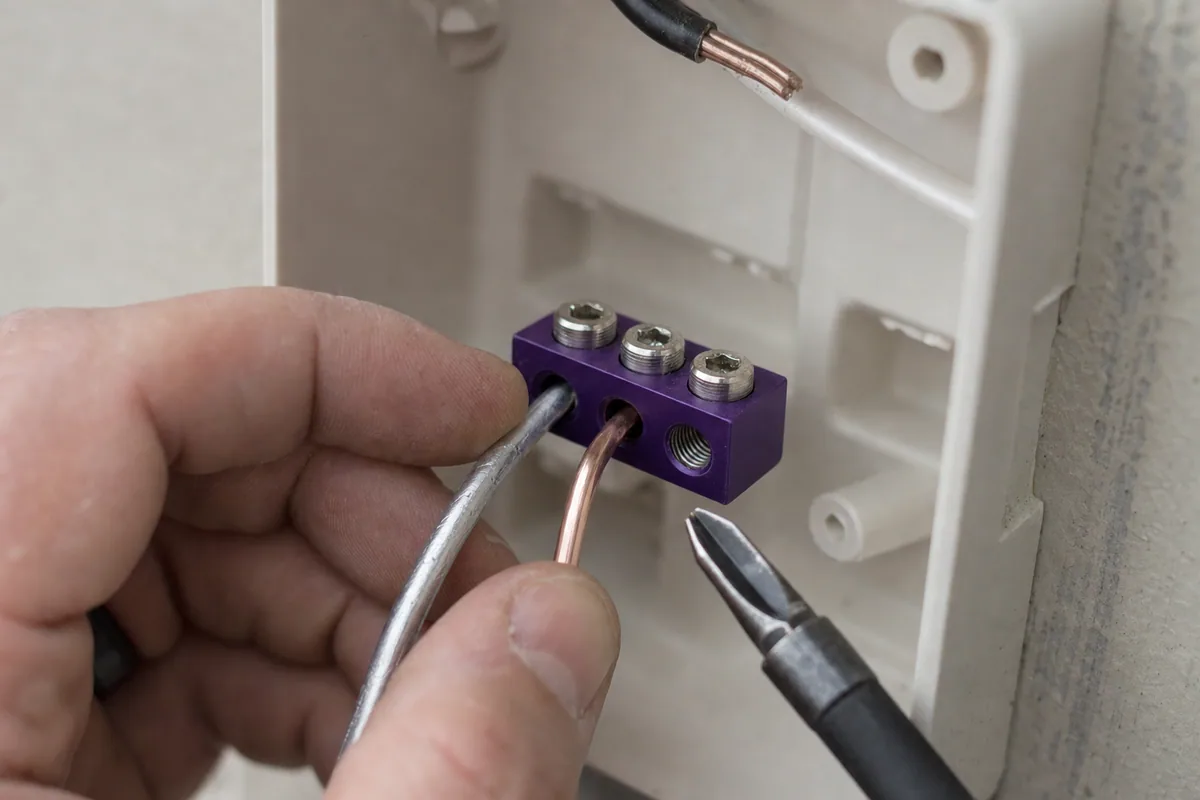
A small screw-terminal connector rated for both aluminum and copper. Each wire gets its own set screw, torqued to spec. It costs less than COPALUM and still meets code, which is why it's the more common choice on a budget-conscious job.
Why can't you just use regular wire nuts?
Standard twist-on marrettes aren't rated for aluminum-to-copper joints. They don't apply even pressure the way aluminum needs, and they're exactly the kind of shortcut that causes the original problem in the first place. If a contractor offers this as 'the fix,' that's a red flag, not a discount.
When does full rewiring make more sense than connectors?
If the wiring is failing in multiple ways at once (old knob-and-tube mixed in, undersized panel, damaged insulation), or you're already opening walls for a renovation, a full rewire can be the more efficient long-term call. For a house that's otherwise sound, connectors solve the actual risk for a fraction of the cost.
Do outlets and switches themselves need to be replaced too?
Where aluminum wire connects directly to a device (not through a pigtail), that device needs to be CO/ALR rated. Regular devices rated for copper-only aren't good enough there. Part of the remediation job is swapping those out.
Can I DIY?
Can I just do this myself?
No, and not because we're precious about it. COPALUM tooling is licensed and controlled - you can't buy the crimper. AlumiConn work still needs an ESA permit and inspection to count for insurance purposes. A DIY fix, even a correct one, doesn't produce the paperwork your insurer is asking for.
What if I just want to check if I even have aluminum wiring?
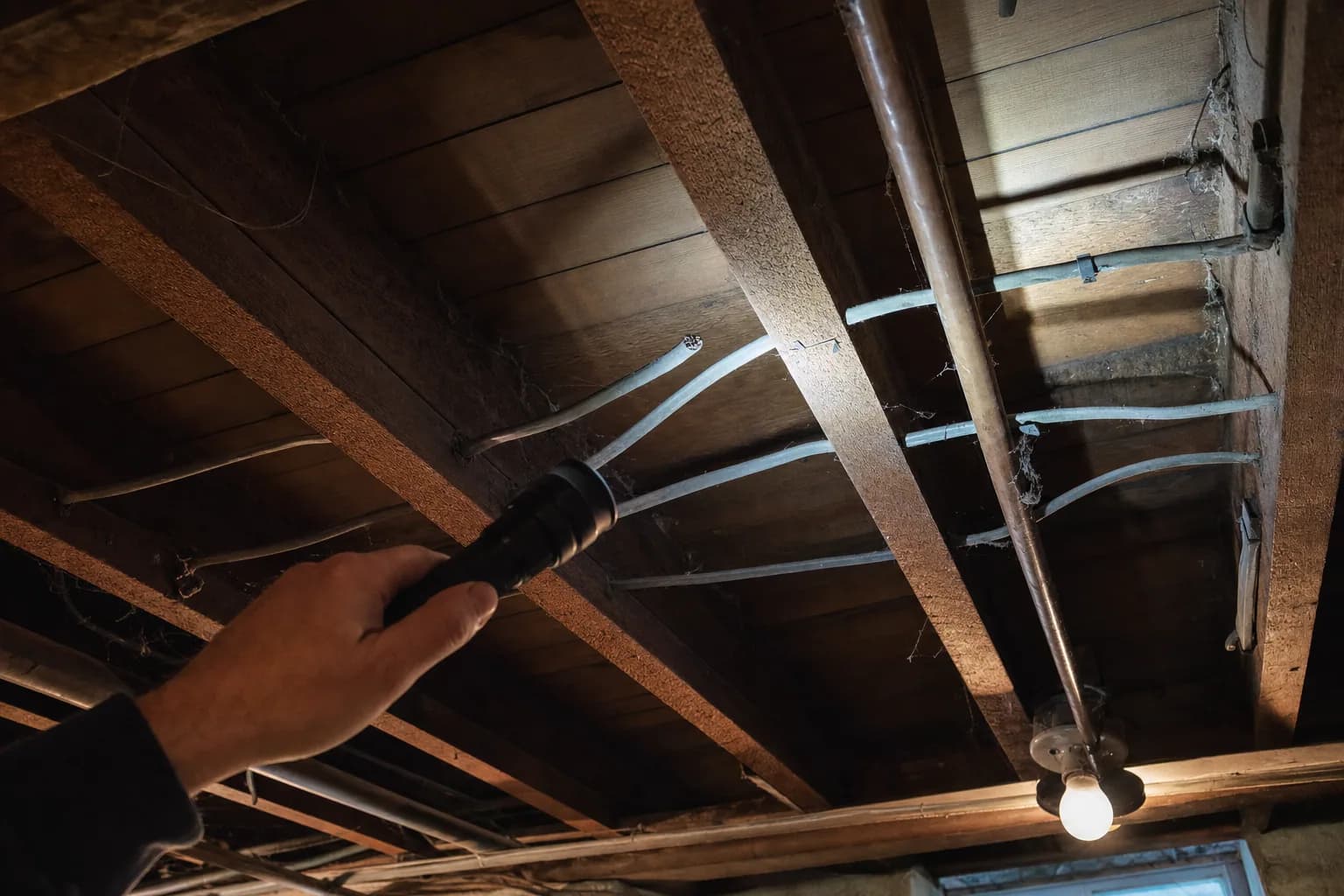
That part you can eyeball yourself with the power off: look at the wire jacket in your panel or a switch box for markings like 'AL' or 'ALUMINUM,' and the wire itself will look dull silver, not the shiny orange-brown of copper. If you're not sure, that's exactly what the $49 assessment is for.
Is it legal to work on my own wiring in Ontario?
Homeowners can pull a permit and do electrical work on their own house in Ontario. But the ESA still has to inspect it, and most insurers specifically want a licensed contractor's name on the remediation report, not a permit number with your own name on it.
What happens if I skip the permit?
Unpermitted work is one of the fastest ways to get a claim denied outright, permit or not, aluminum or not. It also becomes a disclosure problem when you sell. Not worth the shortcut.
Selling or buying a house
I'm selling my house. Do I have to disclose aluminum wiring?
In Ontario there's no blanket legal requirement to volunteer it, but if a buyer's home inspector finds it (and they will - it's a standard checklist item), an undisclosed known issue looks worse than a disclosed one with a remediation report attached.
Will aluminum wiring kill my sale?
It can slow it down or become a negotiating chip if it's found during inspection and you haven't addressed it. A completed remediation with an ESA report in hand is a selling point, not a liability - it answers the buyer's insurance question before they ask it.
I'm buying a house built in the 70s. What should I ask for?
Ask for any electrical inspection reports, and if none exist, get your own assessment before closing or make it a condition. Knowing the number ahead of time beats negotiating blind after the home inspector flags it.
Does fixing it increase resale value?
It doesn't usually add value the way a kitchen reno does, but it removes a specific objection that costs you leverage at the table. Think of it as protecting your asking price rather than boosting it.
What this actually looks like
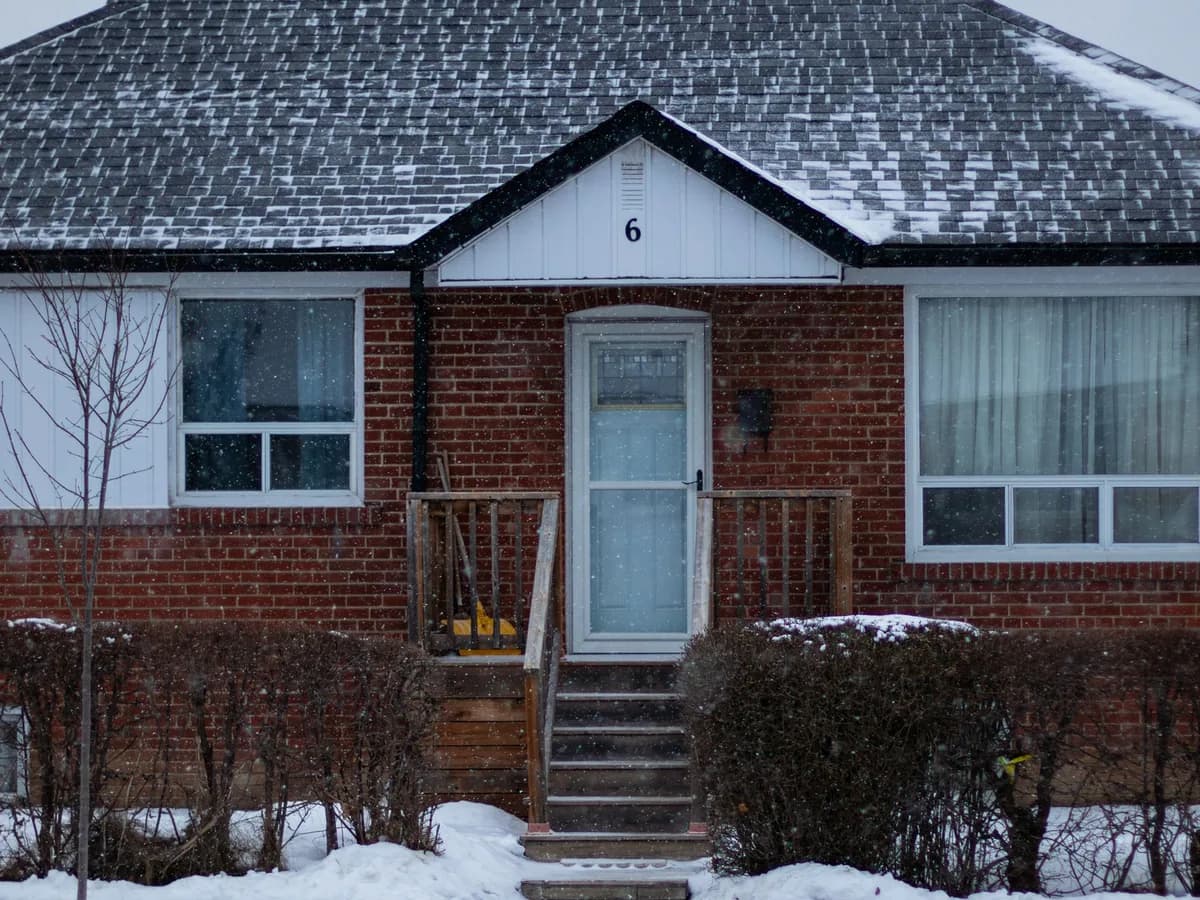
From the jobsite, not a catalogue
Money, straight up
What it actually costs
Real Ontario ranges, not made-up numbers. Your exact price depends on device count, panel condition, and access.
These are typical Ontario ranges based on jobs we've quoted and completed, not a binding quote. Your price depends on your panel, your access, and how many devices are on aluminum circuits. The $49 on-site assessment gets you an exact number, and it's credited toward the job.
| The job | Typical range | What moves the number |
|---|---|---|
| AlumiConn remediation, typical 3-bed house | $1,500 - $2,800 | Number of outlets, switches, and light fixtures on aluminum circuits |
| COPALUM remediation, typical 3-bed house | $2,500 - $4,500 | Higher tooling and labour cost than AlumiConn, but permanent crimp |
| CO/ALR device replacement (per device batch) | Included above | Bundled into remediation pricing unless devices were done separately before |
| Full home rewire | $8,000 - $15,000+ | House size, number of storeys, attic/basement access, and whether walls need to be opened |
| ESA inspection & permit for remediation work | Included in project quote | Required for insurance-acceptable proof of work |
No mystery process
What happens when you call
Here's what actually happens, start to finish.
- 1
Book the $49 assessment
Shaun comes out, opens the panel and a sample of devices, confirms whether it's aluminum branch wiring, and photographs what he finds. Usually done same visit as a quote.
- 2
You get a written quote
Exact scope (AlumiConn vs COPALUM vs rewire), exact price, and a permit plan. No guessing games, no pressure to decide on the spot.
- 3
ESA permit is pulled
Required before remediation work starts. This is what makes the eventual report acceptable to an insurer, not optional paperwork.
- 4
The remediation work happens
Most connector jobs take 1-2 days depending on house size. Power gets shut off room by room, not the whole house at once where avoidable.
- 5
ESA inspects, you get your report
The inspector signs off, you get the paperwork, and that's what goes to your insurance company as proof.
Things the internet got wrong
Myth vs. fact
“Aluminum wiring is illegal now, so it all has to be torn out.”
It's not illegal to leave aluminum wire in place. What's required is that the connections meet current safety standards - which is exactly what remediation fixes without touching the wire runs themselves.
“If I just tighten the screws myself, that fixes it.”
Tightening buys you nothing long-term. The oxidation and thermal creep come back, often faster, because the connection wasn't rated for aluminum to begin with. It also doesn't produce any paperwork for insurance.
“Any electrician can do this - it's just wiring.”
COPALUM requires licensed tooling you can't buy off the shelf, and AlumiConn work still needs to be done to spec and inspected. Ask specifically whether the electrician is trained and equipped for aluminum remediation, not just electrical work in general.
“New copper outlets fix the problem.”
Swapping the outlet without addressing the actual wire connection behind it doesn't touch the real risk. It might even make it worse if a non-rated device gets wired straight to aluminum.
“This only matters if I'm planning to sell soon.”
Insurance renewal, safety, and resale are three separate reasons this matters, and any one of them can show up on a random Tuesday - a renewal letter, a warm switch plate, an unplanned move. It doesn't wait for your timeline.
Walk away if...
- Quotes a full rewire before even opening a panel to look
- Plans to use regular twist-on wire nuts on aluminum-to-copper joints
- Can't say whether they're using COPALUM or AlumiConn - or doesn't know the difference
- No mention of an ESA permit for the remediation work
- Pressures you to decide same-day with a scare-tactic pitch
A good electrician will...
- Opens the panel and shows you the actual wire before quoting anything
- Explains clearly which method they're using and why for your situation
- Pulls an ESA permit as a standard part of the job, not an upsell
- Gives you a written report you can hand straight to your insurer
- Willing to walk you through cheaper connector options before suggesting a full rewire
Around here specifically
Where we see this most around Brampton and Mississauga
Aluminum branch wiring shows up almost exclusively in homes built between 1965 and 1976, and we see it constantly in our own backyard. Early Bramalea sections built through that stretch are a common find, along with older pockets of Streetsville and parts of Malton from the same era. If your house falls in that build window anywhere across the GTA, it's worth the $49 to check rather than wonder. We're based in Brampton and cover Mississauga and the surrounding GTA.
Still have a question we missed?
Call and ask it. A licensed electrician answers, and honest advice is free even when the job isn't ours.