The short answer
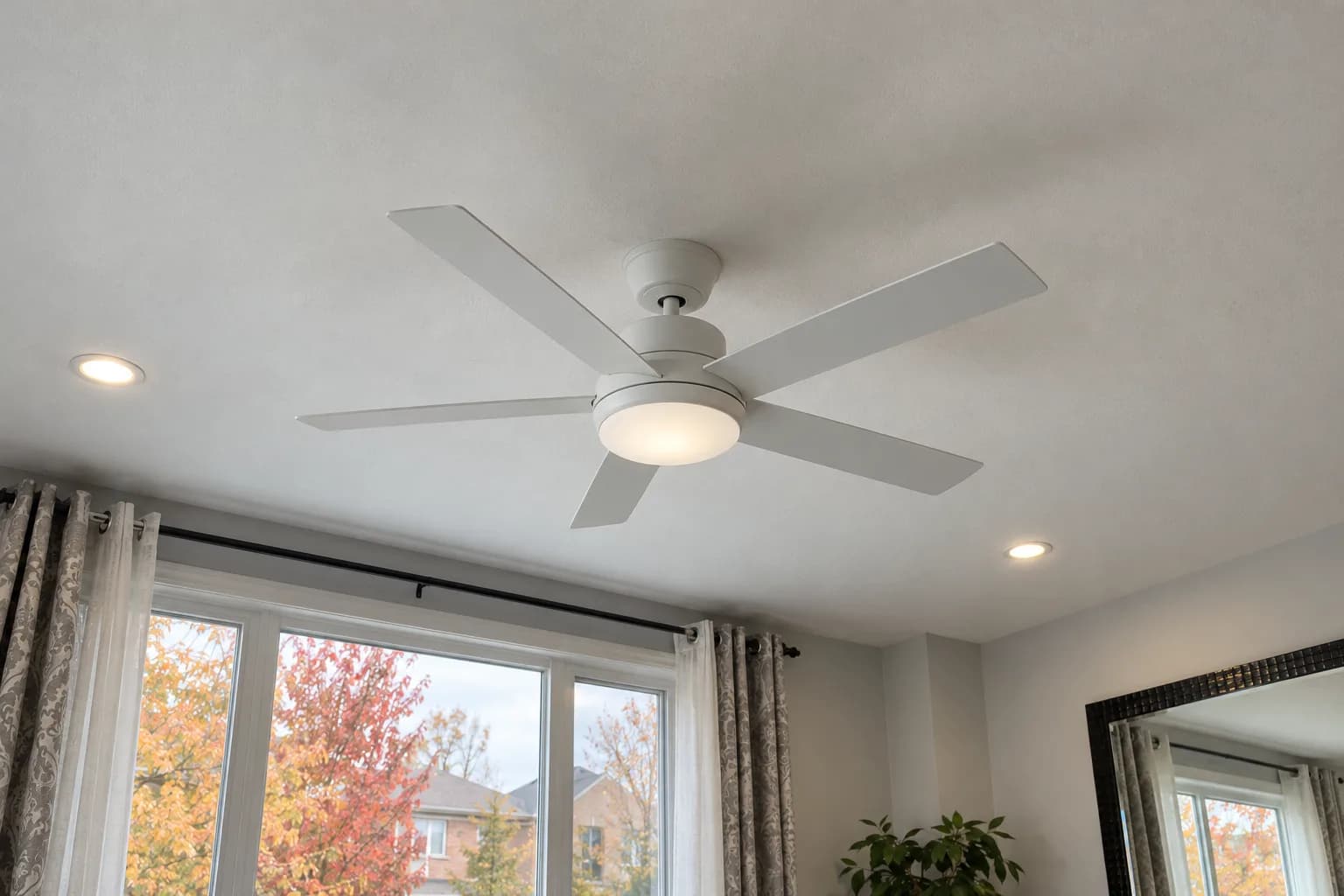
Often, yes. A ceiling fan can usually go where a light is now, as long as the electrical box in the ceiling is made to hold a fan.
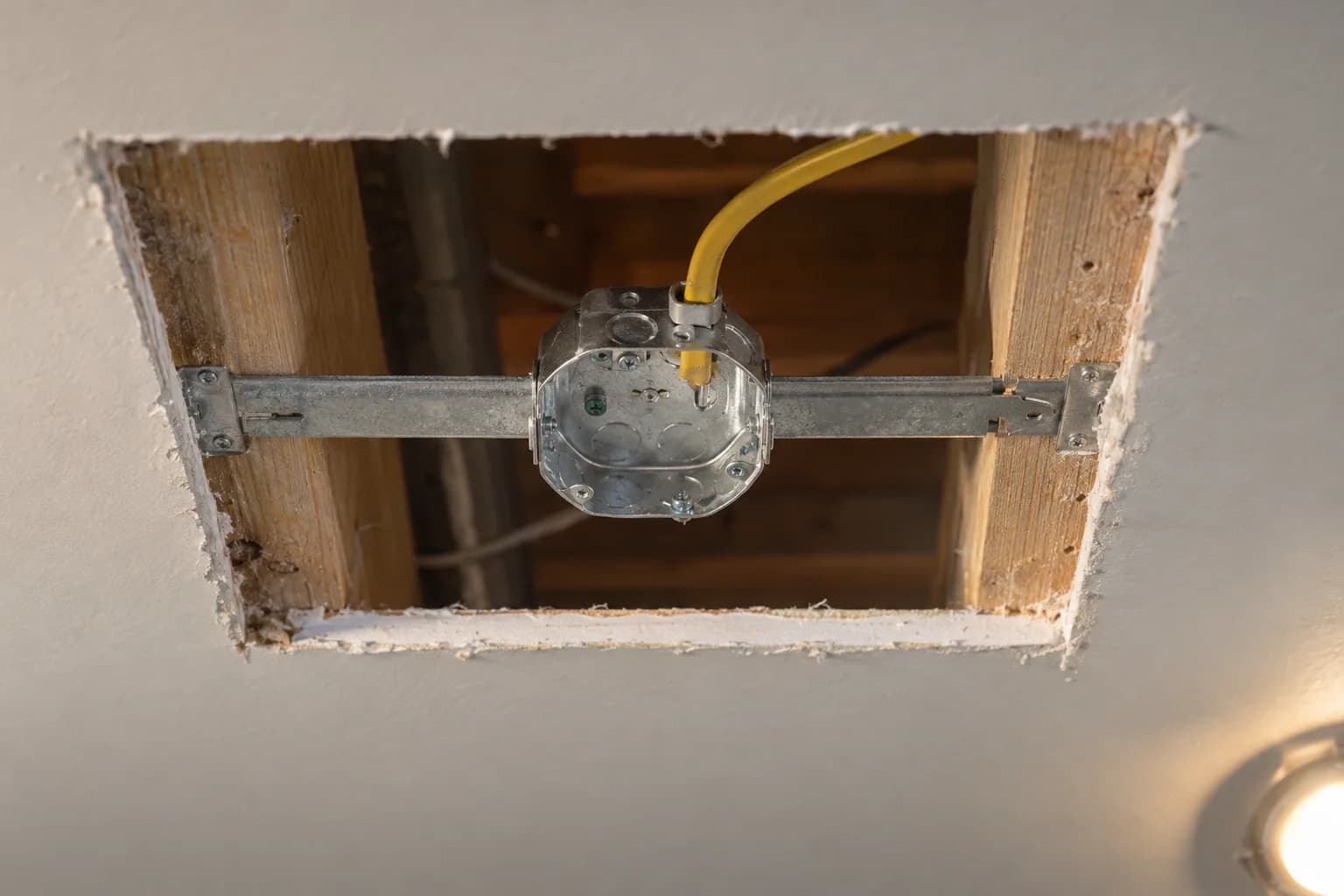
That is the catch. ENERGY STAR's ceiling fan installation tips say to use a metal box marked for use with ceiling fans, and that if you are replacing a ceiling fixture, you will most likely need to replace the box. A fan is heavier than a light and it moves, so the box and how it is fastened matter more than the fan itself.
Why the ceiling box matters
A light fixture just hangs. A fan hangs, spins and vibrates every day for years. ENERGY STAR notes that ceiling fans can weigh as much as 50 pounds and recommends anchoring the fan to a ceiling joist where possible.
The box should be marked as rated for fan support, and the fan's weight should be within what the box is rated to hold. If the box is a regular light box, or the label is missing, plan on a new fan-rated box and proper support between the joists. Our lighting installation team does this as part of the job.
Simple job or bigger job?
Three things decide how much work your fan takes.
Is there a box where you want the fan? If a light is already there, the wiring is already in place. A spot with no box means new wiring to that location.
Do you want the fan and light on separate controls? One wall switch for both is the simplest. Separate switches for the fan and the light usually need extra wiring from the switch to the ceiling.
Can we reach the ceiling from above or between joists? Open attic space or an unfinished basement ceiling makes it quicker. A finished ceiling with no access means more careful work and some patching.
If you are planning several new lights at once, our pot lights per room guide helps you lay out the whole room before anyone cuts the ceiling.

Permits and who can do the work
In Ontario, ESA says almost all electrical work requires filing a notification of work, often called a permit, before the work starts. You can read that on ESA's notification page.
You can do electrical work in your own home, but ESA's DIY page is clear that you must file a notification, even for little jobs, and that friends, family members or neighbours cannot do electrical work in your home. If you pay someone, ESA says the only way to be sure the work is safe and legal is to hire a Licensed Electrical Contractor.
Superior Power Electric is licensed under ECRA/ESA #7014710, and the permit fee is included in our quotes. Our electrical permit guide and DIY rules guide cover the rules in more detail.
How a fan can lower your energy use
Natural Resources Canada says an ENERGY STAR certified ceiling fan uses 60% less energy, on average, than a standard model. Its ceiling fan page also recommends running the fan counterclockwise in summer and clockwise in winter.
The real saving comes from your thermostat. A fan cools people, not the room, so ENERGY STAR suggests adjusting your thermostat when you use the fan. In winter, running it clockwise on low moves warm air down from the ceiling. Turn it off when you leave the room, since it is not cooling the space itself.
Before you buy a fan: a quick checklist
You do not need to open the fixture. Photos of the light and the ceiling around it are enough for us to start.
Check the fan's weight on the box it comes in. Check whether you want one control or separate fan and light controls. Note the ceiling height and whether the ceiling is flat or sloped, since that affects the mounting hardware the fan needs. Then pick the fan, and we will make sure the box, support and wiring match it.
Getting it installed
Send clear photos of the existing light and ceiling for a free remote estimate, or book a $49 on-site assessment, credited toward the job if you go ahead. We check the box, the support and the wiring, then give you a written quote before any work starts.
See our lighting installation page for the other fixtures, dimmers and smart switches we install, or book your assessment.
Common questions
Frequently asked
Can a ceiling fan hang from a regular light box?
It should not. ENERGY STAR says to use a metal box marked for use with ceiling fans, and that replacing a ceiling fixture will most likely mean replacing the box. Fans can weigh up to 50 pounds and they vibrate.
Can I install a ceiling fan myself in Ontario?
ESA allows you to do electrical work in your own home if you file a notification of work first, even for small jobs. Friends or family cannot do it for you. If you hire someone, it must be a Licensed Electrical Contractor.
Which way should my ceiling fan spin?
Natural Resources Canada recommends counterclockwise in summer and clockwise in winter. Most fans have a switch on the motor housing or remote to change direction.
Shaun Pennant
Master Electrician, ESA/ECRA #7014710
Licensed master electrician with 15+ years serving Brampton and the Greater Toronto Area. Founded Superior Power Electric in 2020.