The short answer
A home inspection is worth doing, but it looks at the whole house at once, so the electrical check is broad and shallow. For an older home, ESA recommends hiring a Licensed Electrical Contractor to assess the electrical system. On its knob and tube page, ESA notes this is different than a home inspection because it only focuses on the electrical.
The main things to rule out are old wiring types insurers worry about, an outdated or recalled panel, and missing grounding. Our advice is to book the electrical assessment before you firm up the deal, while you can still ask questions or negotiate.
Home inspection vs electrical assessment
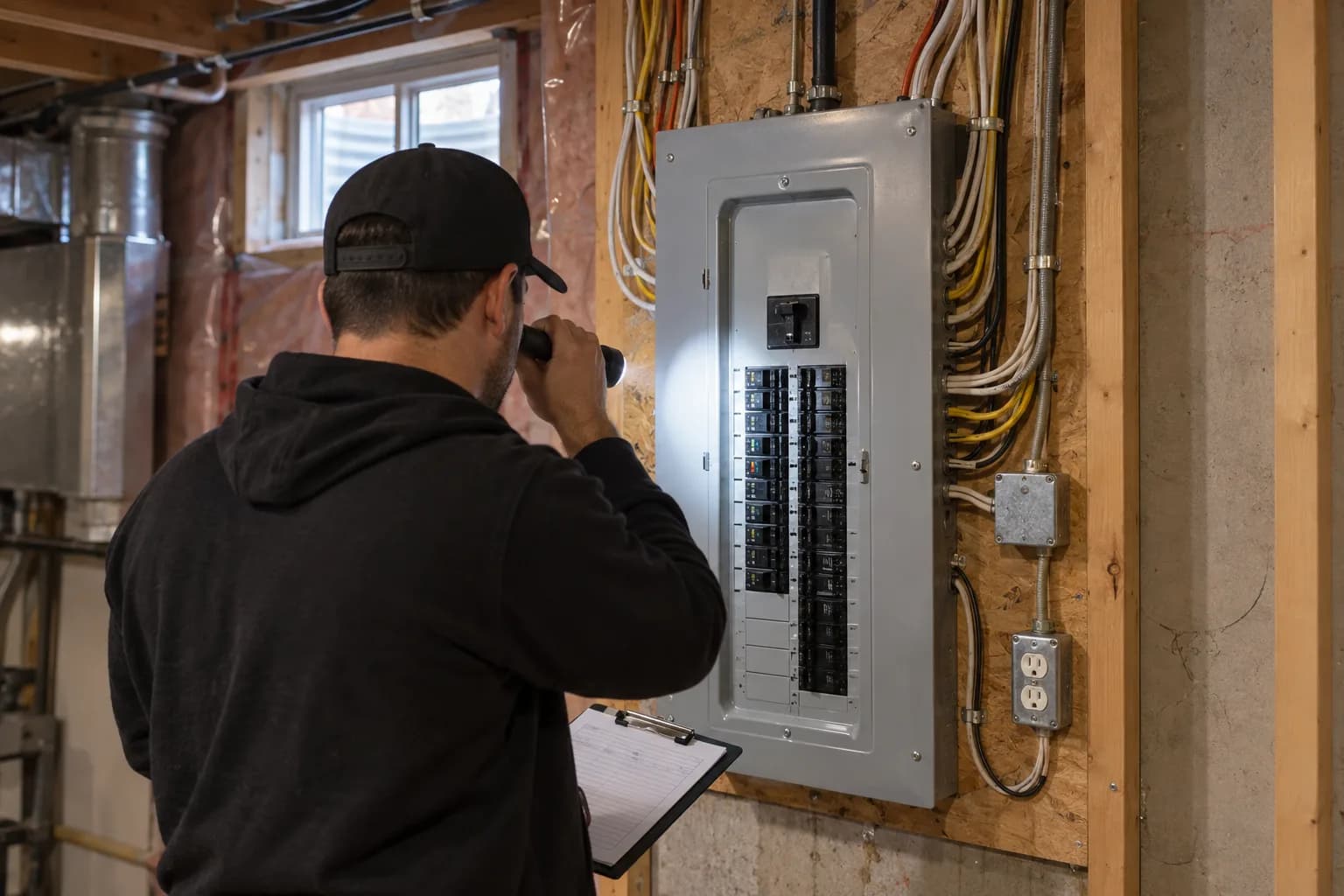
A general home inspector checks the electrical system alongside the plumbing, roof and structure. It gives you a broad picture of the house.
An electrical assessment goes deeper on one system. ESA's page on electrical safety assessments says that for reasons like home insurance or real estate transactions, a Licensed Electrical Contracting business can perform an Electrical System Safety Assessment: a review of the home's wiring and devices to find hazards that could lead to a fire or shock.
In Ontario this is sometimes called a General Electrical Inspection, or an EICR by people who know the UK term. Our electrical inspection page explains the names.
Red flags by the age of the home
The year a home was built tells you what to look for.
Knob and tube wiring was used from the early 1900s to the 1940s, according to ESA. The Insurance Bureau of Canada notes it has no ground wire. Our knob and tube guide explains how to spot it.
Aluminum wiring shows up in homes built from the mid-1960s to the late 1970s, per ESA's aluminum wiring page. See our aluminum wiring guide for the signs.
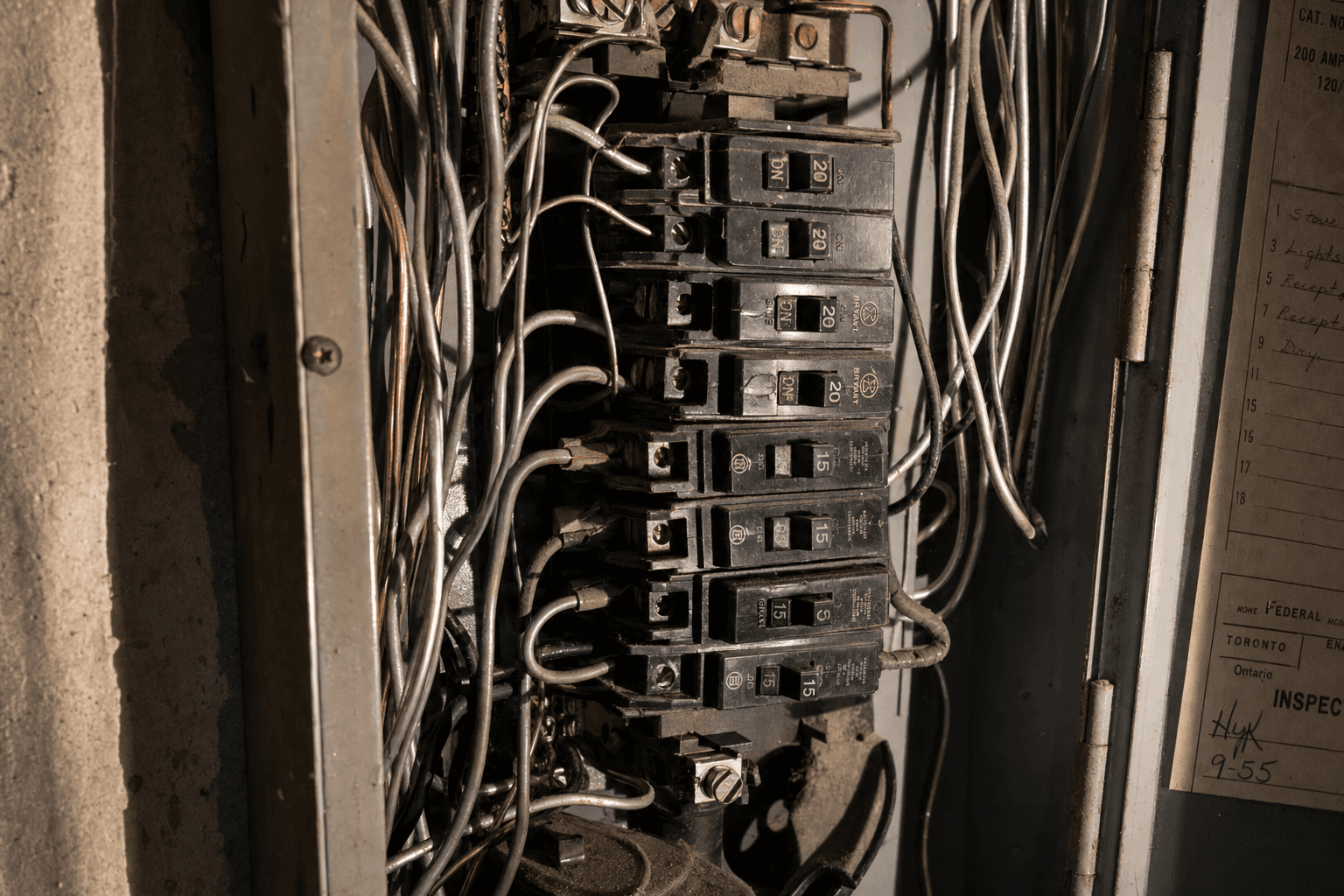
Federal Pioneer panels with Stab-Lok breakers are in many Ontario homes built from the 1950s to the 1990s. Some of those breakers fail to trip when they should. Read our Federal Pioneer guide.
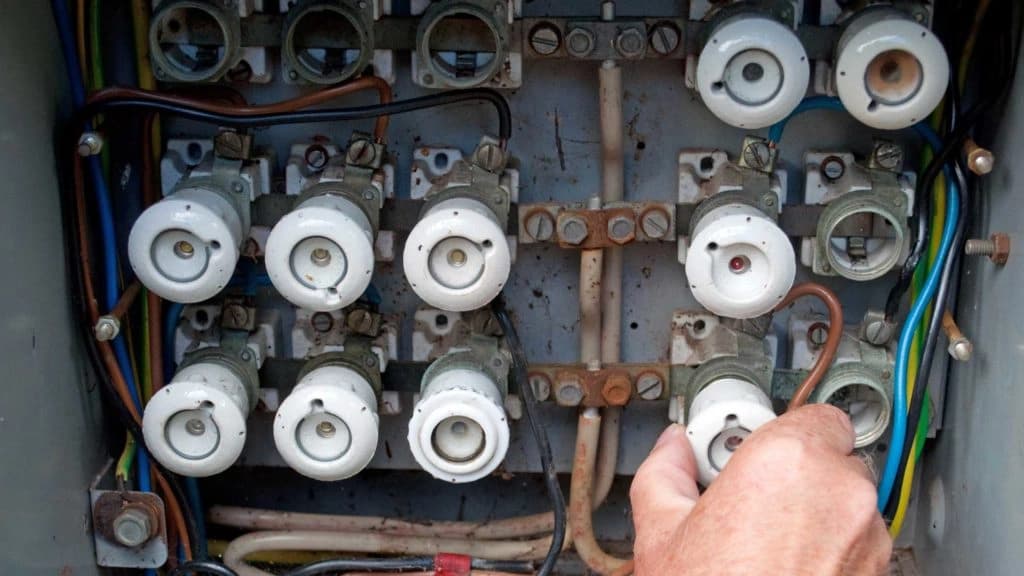
Fuse boxes in homes built before 1960 can bring insurance surcharges and safety concerns. Our fuse box vs breaker guide covers when to upgrade.
Check with your insurer before you close
Old wiring is often an insurance question first. ESA says many insurers will not provide or renew coverage on homes with knob and tube wiring, and some will make you replace it first. For aluminum wiring, ESA says some insurers will not provide or renew coverage without an ESA inspection, and you may need to repair the wiring and give your insurer the ESA Certificate of Acceptance.
The Insurance Bureau of Canada gives the same advice in its home history guide: if knob and tube wiring is confirmed, tell your insurance representative, because some carriers may require an updated ESA certificate. Call your insurer with what the assessment finds before your deal is final.
What we check and what you get
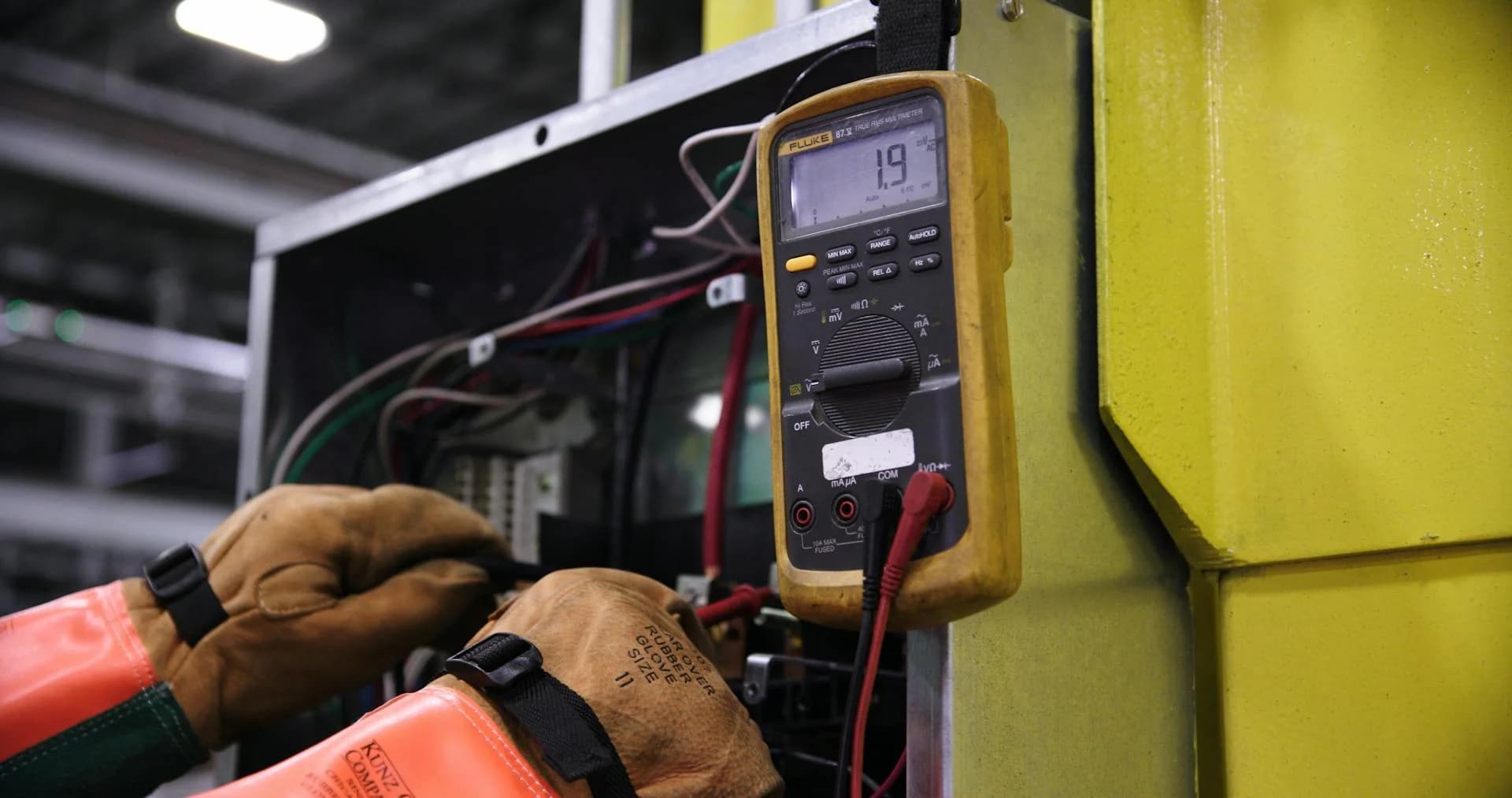
Every inspection starts with a $49 on-site assessment. A licensed electrician checks the panel, a sample of outlets, the grounding and the visible wiring. The $49 is credited toward any repairs you book with us.
You get a written report in plain language, with photos, sorted into passed, needs attention and urgent.
One thing to know: the written report documents condition. An ESA Certificate of Inspection is a separate document tied to electrical work that is filed with ESA, so it comes with repairs or upgrades, not with the condition check on its own.
What to do with the results
If the report is clean, electrical is off the table and you can move ahead with more confidence.
If it finds something, get a written quote for the fix. A quote turns a vague worry into a number you can bring to your negotiation, or plan for after you move in. Common fixes include a panel upgrade, aluminum wiring repairs and replacing knob and tube wiring.
If a fix is urgent, it is better to know before closing than after your first insurance renewal.
Book an assessment
Tell us the address and your closing timeline, and we will book the $49 on-site assessment. Learn more on our electrical inspection page, or book now.
Common questions
Frequently asked
Does a home inspection check the electrical?
Yes, but as part of a whole-house check alongside plumbing, roofing and structure. For older homes, ESA recommends an assessment by a Licensed Electrical Contractor, which focuses only on the electrical.
Can I get insurance on a house with knob and tube wiring?
It can be hard. ESA says many insurers will not provide or renew coverage on homes with knob and tube, and some require it to be replaced first. Call your insurer before your deal is final.
Is the inspection report the same as an ESA certificate?
No. The written report documents the condition of the system. An ESA Certificate of Inspection is tied to electrical work filed with ESA, such as a repair or upgrade.
Shaun Pennant
Master Electrician, ESA/ECRA #7014710
Licensed master electrician with 15+ years serving Brampton and the Greater Toronto Area. Founded Superior Power Electric in 2020.